
How Does Dry Cleaning Work?
We’re here to explain how dry cleaning works. It’s a fascinating process that effectively cleans clothes without water.
We use special solvents to lift dirt and stains from delicate fabrics. Dry cleaning preserves the color, shape, and texture of your clothing, while removing stubborn stains.
We’ll also touch on the environmental impact and efforts to develop eco-friendly solvents.
Curious about how it all works? Keep reading to learn more.
The Advantages of Dry Cleaning Over Washing
- Dry cleaning uses a petroleum-based solvent to wash clothes without water.
- The most commonly used chemical in dry cleaning is perchloroethylene (PERC), which has been associated with health risks.
- Dry cleaning is more effective in removing deep-set stains like oil and grease compared to washing with water.
- Efforts are being made to develop more environmentally friendly solvents for dry cleaning.
Dry Cleaning Process
The dry cleaning process begins by tagging and inspecting garments for proper identification and any pre-existing damage. This step ensures that each garment is returned to the correct owner and that any issues are addressed before cleaning.
Once tagged, the garments are inspected for stains and treated with specific formulas to pre-treat the stains. After pre-treatment, the garments are loaded into a large drum machine that uses a dry cleaning solvent, such as perchloroethylene (PERC) or alternative eco-friendly solvents, to clean the clothes without water. The machine agitates the clothes, allowing the solvent to penetrate and lift dirt and stains.
After cleaning, the solvent is extracted from the clothes and the machine for reuse. Finally, the garments are post-spotted to remove any remaining stains and then finished by steaming or pressing to remove wrinkles. The result is clean, fresh garments ready to be returned to their owners.
Chemicals Used in Dry Cleaning
Our choice of chemicals in dry cleaning is primarily guided by their effectiveness and safety. The most commonly used chemical solvent in dry cleaning is perchloroethylene (PERC). It’s effective in removing various types of stains, including oil and grease stains, making it a popular choice among dry cleaners.
However, PERC has been associated with health risks, including negative effects on the nervous system and an increase in cancer cases among former dry-cleaning workers. In recent years, efforts have been made to develop more environmentally friendly solvents for dry cleaning.
Wet cleaning, which uses water and biodegradable detergents, is an alternative recommended by the Environmental Protection Agency (EPA). Safer alternatives to traditional solvents, such as propylene glycol ethers, are also being explored.
It’s important to prioritize the safety of workers, consumers, and the environment when choosing chemicals for the dry cleaning process.
Health Risks of Dry Cleaning
As we delve into the topic of dry cleaning, it is important to address the potential health risks associated with this process. The use of dry cleaning solvents, such as perchloroethylene (PERC), has been linked to health concerns. These solvents can release toxic chemicals into the environment, posing risks to both workers and consumers. To mitigate these risks, dry cleaning facilities have implemented thorough recovery processes to prevent leaching and ventilation systems to handle the cleaning process. In certain areas, PERC has been phased out due to its health hazards. Efforts are also being made to develop more environmentally friendly solvents and promote alternative methods like wet cleaning, which uses water and biodegradable detergents. Overall, it is crucial to consider the potential health risks when engaging in dry cleaning processes.
| Health Risks of Dry Cleaning | Dry Cleaning Process Works | Dry Cleaners Use |
|---|---|---|
| – Release toxic chemicals into the environment | – Uses petroleum-based solvent | – Perchloroethylene (PERC) |
| – Risks to workers and consumers | – Solvent is extracted and reused | – Alternatives being developed |
| – Phased out in certain areas | – Effective in removing deep-set stains | – Wet cleaning as an alternative |
Comparison to Washing With Water
When it comes to cleaning clothes, it’s important to compare dry cleaning with washing with water.
Washing uses water as the main solvent and involves agitation to remove dirt, making it suitable for a wide range of fabrics. It can be done at home with a washing machine or by hand, and professional laundry services are also available.
On the other hand, dry cleaning uses a chemical solvent, typically perchloroethylene, and is the preferred method for delicate fabrics like silk, wool, and cashmere. It’s essential for garments with intricate details or those labeled as dry clean only. Dry cleaning is performed by professional dry cleaners due to the specialized equipment and chemicals involved.
Dry cleaning excels at removing tough stains like oil-based marks, ink, or grease.
Additional Information and Resources
Let’s explore some valuable additional information and resources related to dry cleaning.
When it comes to the dry cleaning method, it’s important to understand the solvent used and how it interacts with different textile fibers. It’s also helpful to have some cleaning tips and care instructions for your garments.
There are many articles available that provide more in-depth information on dry cleaning, including the chemicals used and the health risks associated with them. Understanding laundry symbols can also guide consumers in properly caring for their garments.
Additionally, learning about hand-washing techniques and historical examples of infamous stains can be intriguing.
For those looking for environmentally friendly alternatives, green home cleaning tips offer valuable suggestions.
Frequently Asked Questions
Is Dry Cleaning Safe for All Types of Fabric?
Dry cleaning is generally safe for all types of fabric, but it’s important to check the label for cleaning instructions. Some delicate materials, like sequins or rayon, may require special care. Consult with your cleaner for the best option.
Can Dry Cleaning Remove All Types of Stains?
Dry cleaning can effectively remove many types of stains, including oil and grease. However, it may not be able to remove all types of stains. Consult with a professional cleaner for the best option.
How Long Does the Dry Cleaning Process Typically Take?
The dry cleaning process typically takes 24 to 48 hours. We tag and inspect the clothes, pre-treat stains, clean them in solvent machines, extract the solvent, air-dry the clothes, and press them to remove wrinkles.
What Is the Average Cost of Dry Cleaning Different Types of Clothing?
The average cost of dry cleaning different types of clothing can vary depending on the location. Prices typically range from $3 to $10 for a shirt.
Are There Any Alternatives to Dry Cleaning That Are Equally Effective?
There are alternatives to dry cleaning that are equally effective, such as wet cleaning and home dry cleaning kits. These options provide environmentally friendly alternatives while still effectively cleaning clothes.
Conclusion
In conclusion, dry cleaning is a highly effective method for cleaning clothes without water. By using chemical solvents, dry cleaning can lift dirt and stains from delicate fabrics, preserving the color, shape, and texture of the garments.
It also has the advantage of removing stubborn stains that may not come out with traditional washing methods. Efforts are being made to develop more eco-friendly solvents to minimize the environmental impact of dry cleaning.
Overall, dry cleaning is a valuable process for maintaining and restoring the quality of clothing. ###
Q: How does the dry cleaning process work?
A: Dry cleaning is a process where garments are cleaned using a solvent instead of water. The solvent helps to remove stains and dirt from the fabric without affecting the texture or color of the garment.
Q: What is the solvent used in dry cleaning?
A: The most common solvent used in dry cleaning is perchloroethylene, also known as perc. Other solvents like liquid carbon dioxide and hydrocarbon are also used in the process.
Q: How do I get the best results from dry cleaning?
A: To get the best results from dry cleaning, it is important to communicate any specific stains or concerns with your dry cleaner. Additionally, choosing a reputable dry cleaner with modern cleaning machines can ensure high-quality results.
Q: What happens to my clothes during the dry cleaning process?
A: During the dry cleaning process, the garments are first checked for stains and treated accordingly. Then, they are placed in a cleaning machine where a solvent is used to remove dirt and stains. Finally, the garments undergo a thorough inspection before being returned to the customer.
Q: Are there different types of dry cleaning processes?
A: Yes, there are different types of dry cleaning processes, including traditional solvent-based dry cleaning, as well as newer methods such as liquid carbon dioxide cleaning and hydrocarbon-based cleaning.
Q: What are some common terms related to dry cleaning?
A: Some common terms related to dry cleaning include dry cleaning machine, cleaning solvent, garment care, dry cleaning process, and dry cleaner. These terms are often used when discussing the techniques and outcomes of the dry cleaning industry.
Q: What should I know before using a dry cleaning service?
A: Before using a dry cleaning service, it is important to understand the process of dry cleaning, the types of solvents used, and the care instructions for your garments. Additionally, communicating any specific concerns with the dry cleaner can ensure the best results for your clothing.
Q: How did dry cleaning begin and evolve over time?
A: Dry cleaning began with the use of kerosene and gasoline as cleaning solvents, which posed flammability and environmental concerns. Over time, advancements led to the use of safer solvents and more efficient cleaning machines, contributing to the evolution of the dry cleaning industry.
Q: Is dry cleaning an environmentally friendly process?
A: While traditional solvent-based dry cleaning raised environmental concerns, newer methods such as liquid carbon dioxide cleaning and hydrocarbon-based cleaning offer more environmentally friendly alternatives. Many dry cleaners have transitioned to these newer processes to reduce their environmental impact.
Q: What are the final steps in the dry cleaning process?
A: The final steps in the dry cleaning process involve a thorough inspection of the cleaned garments to ensure they meet quality standards. Any necessary finishing touches, such as pressing or minor repairs, may also be completed before returning the garments to the customer.
Why Is It Called Dry Cleaning: A Closer Look at Its History and Process

Dry cleaning services aren’t new to the public, and yet, many are still unsure as to why is it called dry cleaning. The term “dry cleaning” can be a source of confusion, especially considering that it involves the use of liquids and chemicals, which seems contradictory to the word “dry” in the name.
How can your garments be cleaned while still being dry? Or, can this method clean your clothes at all? These and many other questions about dry cleaning will be answered in this article. Keep reading to learn more about this special service!
Dry Cleaning Explained: What is It and How Does it Work?
Dry cleaning is a process of cleaning clothing and textiles that differs significantly from the traditional wet cleaning process that uses detergent and a washing machine. Dry cleaning uses chemical solvents to clean clothes. While liquid solvents are used in dry cleaning, they do not saturate the fabric in the same way water does in traditional laundering.
Instead, these solvents are able to effectively clean garments without causing damage, wrinkle, shrinking, or fading, making dry cleaning an ideal method for delicate fabrics and materials that cannot withstand the agitation of water and detergent.
The Process of Dry Cleaning
When you take your garments to a professional dry cleaner, they go through a meticulous cleaning cycle. Here’s how it works:
Step 1: Garment Inspection – Your clothes are first examined for stains and fabric type. This step is crucial in determining the appropriate cleaning method.
Step 2: Pre-Treatment – Stubborn stains are pre-treated to ensure they are effectively removed during the cleaning process.
Step 3: Cleaning in a Machine – The garments are loaded into a dry cleaning machine. This machine uses the chosen solvent, such as perchloroethylene or liquid carbon dioxide, to clean the clothes.
Step 4: Rinsing and Drying – After cleaning, the solvent is drained and recycled for future use. The garments are then dried using warm air in the same machine.
Step 5: Finishing Touches – Once dry, your clothes are professionally finished, which may include ironing or pressing to remove wrinkles and creases.
The History of Dry Cleaning: How and When It Started
The breakthrough came when Thomas L. Jennings, an African-American tailor and inventor, patented a dry cleaning process called “dry scouring” in 1821. This method used a combination of various solvents and absorbents, marking a significant step forward in the evolution of dry cleaning. Jennings’ work paved the way for the dry cleaning industry to develop further.
Throughout the 19th and early 20th centuries, dry cleaning methods continued to improve. The use of less flammable and odorous solvents like gasoline and eventually perchloroethylene became widespread. These developments not only made dry cleaning safer but also more effective at removing a wide range of stains and contaminants.
Dry Cleaning in the Modern Day
In today’s time, dry cleaning has become an integral part of our lives, catering to the needs of individuals and businesses alike. While the fundamental principle of using solvents instead of water remains unchanged, several key advancements have transformed the dry cleaning industry.
1. Eco-Friendly Practices
- Transition to Green Solvents: Many dry cleaners have shifted away from traditional dry cleaning solvents like perchloroethylene or “perc” to green dry cleaning alternatives such as hydrocarbon-based or silicone-based solvents. This reduces the industry’s environmental impact and promotes safer cleaning.
- Sustainable Packaging: Dry cleaners now commonly use biodegradable and recyclable packaging materials, minimizing the waste associated with garment cleaning.
2. Technological Advancements
- Advanced Machinery: Modern dry cleaning machines feature computerized controls that can adapt cleaning parameters based on fabric type and stain level, ensuring consistent and high-quality results.
- Spotting Technology: Automated stain removal systems can precisely target and treat specific stains, enhancing the chances of successful stain removal without damaging the fabric.
3. Specialized Garment Care
- Professional Expertise: Dry cleaning professionals receive specialized training to identify different fabric types, their sensitivities, and proper care techniques. This expertise ensures that delicate or expensive garments are handled with the utmost care.
- Garment Preservation: Many cleaners are equipped to address issues like fabric aging and color fading, helping to extend the lifespan of clothing and textiles.
4. Convenience and Accessibility
- Pickup and Delivery Services: Many dry cleaning businesses offer pickup and delivery options, allowing customers to schedule cleaning services at their convenience.
- Online Platforms: Online scheduling and payment systems have made it easier for consumers to access dry cleaning services and manage their orders from the comfort of their homes.
What Garments Can You Take to the Dry Cleaner?

Dry cleaning is an ideal method for preserving and cleaning a wide range of garments, especially those made from delicate or high-maintenance fabrics. One way of knowing whether an item can be dry-cleaned is by looking at the care label instructions. But just to be sure, here is a list of common items you can take to the dry cleaner:
- Suits and Blazers: High-quality tailored suits and blazers, often made of wool, linen, or silk, should be dry cleaned to maintain their structure and appearance.
- Dresses: Evening gowns, formal dresses, and wedding dresses with intricate details or delicate fabrics like lace or silk are best entrusted to dry cleaners.
- Silk Clothing: Silk garments, including blouses, shirts, and ties, are susceptible to water damage and are better suited for dry cleaning.
- Cashmere and Wool Sweaters: These cozy, but delicate, knitwear items benefit from dry cleaning to prevent stretching, shrinking, or pilling.
- Delicate Blouses and Shirts: Blouses or shirts with decorative elements, pleats, or fine embroidery should be dry cleaned to preserve their intricate features.
- Outerwear: Coats, trench coats, and winter jackets made from wool, cashmere, or suede should be professionally dry cleaned to maintain their appearance and functionality.
- Skirts and Slacks: Garments like wool skirts or slacks with creases and pleats are best cleaned through dry cleaning to keep their shape intact.
- Drapes and Curtains: Large items like drapes and curtains made from heavy or delicate fabrics are typically dry cleaned to remove dust, allergens, and stains.
- Bedding and Linens: High-quality bed linens, duvet covers, and tablecloths are often dry cleaned to maintain their appearance and extend their lifespan.
The History and Process of Dry Cleaning
Dry cleaning is not as “dry” as the name suggests, but rather a highly effective and specialized cleaning process that relies on chemical solvents instead of water. Its history is a testament to human ingenuity and our commitment to keeping our clothes clean and presentable.
As the dry cleaning industry continues to evolve, it remains an essential service for those seeking gentle, efficient, and stain-free garment care. So, the next time you drop off your clothes at the cleaners, you’ll know why it’s called dry cleaning, and you can appreciate the intricate process that keeps your wardrobe looking its best.
Frequently Asked Questions
Q: Are dry cleaning solvents safe?
A: Dry cleaning products, when used by professional dry cleaners following industry standards and regulations, are generally considered safe. The most common solvents used today, such as hydrocarbon-based or silicone-based solvents, have lower environmental and health risks compared to older solvents like perchloroethylene. Dry cleaning establishments are equipped with specialized equipment and procedures to minimize exposure to solvents, ensuring the safety of both workers and customers.
Q: Which is better: dry or wet cleaning?
A: The choice between dry and wet cleaning depends on the type of fabric and the specific stains on the garment. Dry cleaning is ideal for delicate fabrics like silk, wool, and cashmere, as well as items with stains that may not respond well to water. Wet cleaning, which uses water-based solutions, is suitable for most everyday clothing items and is generally more environmentally friendly. The “better” method varies depending on the situation, and professional cleaners can recommend the most suitable option based on your needs.
Q: Is dry cleaning more hygienic?
A: Dry cleaning can be considered more hygienic for certain items because it effectively removes stains and odors without saturating the fabric. It’s particularly useful for cleaning garments that may have come into contact with bodily fluids, oils, or other substances that can harbor bacteria and germs. However, it’s essential to note that dry cleaning doesn’t sterilize clothing; it primarily focuses on cleaning and stain removal. Proper hygiene also depends on the regularity of cleaning, regardless of the method used.
Q: Is it possible to dry clean at home?
A: Yes, it is possible to perform some form of dry cleaning at home using commercially available home dry cleaning kits. These kits typically include a cleaning solution and a dryer-activated cloth or bag. While they can be convenient for freshening up lightly worn garments or removing mild odors, they are not as effective as professional dry cleaning services. Home dry cleaning kits are best suited for items that require minimal cleaning or for refreshing clothing between professional cleanings.
How Long Does Dry Cleaning Take: Timeframes and Expectations

Waiting for your garments to be cleaned and ready for wear can feel like forever, especially when you have a busy schedule. So, just how long does dry cleaning take really before you can pickup your garments or have them delivered?
While it’s reasonable to expect timely service from professional dry cleaners, it’s also important to realize that some factors, such as stain removal and fabric type, may require additional time for proper care. If you have a pressing need for quick turnaround, consider discussing your requirements with the dry cleaner and exploring any rush service options they may offer.
If waiting around isn’t something you want to do, then make sure to keep reading this article. We’ll cover everything you need to know about how long does it take for your clothes to be at your local dry cleaners and the factors that affect the turnaround time.
The Dry Cleaning Process and How It Affects Turnaround Time
Understanding how dry cleaning works is crucial to estimating how long it will take to dry clean your garments. The intricacies of this process have a significant impact on the timeframes you can expect. Let’s break it down step by step:
Step 1: Drop-off – You take your clothing items to the dry cleaner’s shop. At this stage, the attendant may provide you with a ticket that includes an estimated pickup date.
Step 2: Inspection – Your garments are inspected for stains, damages, and any special care instructions. This step helps the dry cleaner determine the appropriate treatment.
Step 3: Cleaning – The garments are placed in a specialized dry cleaning machine. A chemical solvent is used to remove stains and dirt effectively.
Step 4: Pressing – After cleaning, your clothes may be pressed or steamed to restore their shape and appearance.
Step 5: Quality Control – A final inspection is conducted to ensure that the items meet the desired standards of cleanliness and appearance.
Step 6: Packaging – Your clean garments are then packaged and prepared for pickup or delivery.
How Long Does Dry Cleaning Take for Different Garments?
You must know that some garments that take longer to dry clean. The turnaround time for many dry cleaners can vary significantly depending on the type of garments you’re entrusting to the process. Here’s a breakdown of how long it generally takes for different types of clothing:
1. Standard Clothing
Everyday items like dress shirts, blouses, and trousers typically have a relatively quick turnaround time. You can expect these garments to be ready in approximately 1 to 2 days. They are relatively simple to clean and require less processing time.
2. Delicate or Special Garments
Garments with delicate fabrics, intricate details, or embellishments, such as beading or sequins, may take a bit longer to clean. They typically take 3 to 4 days or even more, depending on the complexity of the piece and the care it demands.
3. Comforters and Large Items
Bedding items like comforters and duvets are larger and more complex to clean. Due to their size, they may take up to a week to be thoroughly cleaned and prepared for pickup.
4. Wedding Dress
A wedding dress is often a cherished and intricate garment. Due to its elaborate design, delicate fabrics, and potential for stains, cleaning and preserving a wedding dress can be a meticulous process. On average, you can expect a wedding dress to take anywhere from a few days to a couple of weeks to be fully cleaned and prepared for storage or preservation.
5. Formal Suit
Formal suits, like tuxedos or tailored suits, are typically made from high-quality materials and may have unique care requirements. Dry cleaning of these garments may take around 3 to 5 days, although it can vary based on the specific suit’s complexity and fabric.
6. Leather & Suede Items
Leather and suede items, such as jackets or skirts, are not as common in dry cleaning but can be processed by specialized cleaners. Due to the careful handling required for these materials, the turnaround time may be a bit longer, ranging from 1 to 2 weeks.
Time Estimates When Dry Cleaning at Home

Dry cleaning at home has become a convenient option for those who prefer to take matters into their own hands. Using home dry cleaning kits, you can freshen up your garments without the need for professional dry cleaning services. But wondering how long does it take, and what can you expect from this DIY approach?
Home dry cleaning kits typically come with clear instructions, and the process usually involves these steps:
1. Pre-Treatment: Before placing your garments in the provided bag, you’ll need to pre-treat any visible stains. This step can take a few minutes to ensure you address stains adequately.
2. Loading the Bag: After pre-treatment, you place your clothing items into the provided bag along with a cleaning sheet or cloth that contains a specialized dry cleaning solvent.
3. Tumble Drying: The bag is then sealed, and you put it in your dryer. The dryer’s heat activates the cleaning solution, and the bag’s tumbling action helps remove dirt and odors from your clothes.
4. Post-Treatment: Once the cycle is complete, you’ll typically need to let the garments sit for a short period to allow any remaining cleaning agents to dissipate.
The entire process usually takes about 30 minutes to an hour, depending on the specific kit you’re using and your dryer’s settings. It’s a relatively quick method compared to professional dry cleaning, making it a convenient option for those who need their clothing refreshed in a hurry.
However, it’s important to note that home dry cleaning kits may not be as effective as professional dry cleaning for certain garments or stains. While they’re suitable for everyday clothing maintenance, more delicate or heavily soiled items may still require the care of a professional dry cleaner.
Other Reasons You Might Wait Longer for Your Dry Cleaning
While dry cleaning services aim for efficiency, there are various factors that can lead to extended wait times for your garments. Here are some other reasons you might experience delays:
1. Holidays: During holidays, many people take the opportunity to have their special occasion clothing cleaned or refreshed. This increased demand can result in longer processing times as dry cleaners work to accommodate the surge in orders.
2. Big Local Events: When a significant local event, like a wedding expo, fashion show, or convention, takes place in your area, local dry cleaners may experience a higher volume of customers. Such events can lead to delays, especially if attendees require dry cleaning services for their event attire.
3. Extremely Soiled Clothes: Garments that are exceptionally soiled or stained may require additional time and attention. Dry cleaners will need to treat and clean these items meticulously to ensure stains are fully removed, which can extend the overall cleaning process.
4. Dropping Off Laundry at the End of a Workday: Timing matters when it comes to dry cleaning. Dropping off your laundry at the end of a workday, when many others are also trying to pick up or drop off their clothing, can result in longer wait times due to the increased foot traffic and demands on the dry cleaner’s staff.
Items You Can’t Dry Clean
While dry cleaning is a versatile method for cleaning various garments and textiles, there are some items that should never be subjected to this process. Attempting to dry clean these items can lead to irreversible damage. Here’s a list of items you should avoid dry cleaning:
- Fur: Fur garments and accessories should never be dry cleaned. The process can strip the fur of its natural oils and cause it to become brittle and damaged. Fur items require specialized care from furriers.
- Antique or Fragile Fabrics: Antique textiles, delicate silk, and fragile fabrics should not be dry cleaned. The chemicals used in the process can weaken the fibers, leading to irreparable damage. Instead, consult with a textile conservator for appropriate care.
- Items with Glued Elements: Clothing or accessories with glued elements, such as glued-on appliqués or embellishments, should be handled with caution. Dry cleaning can weaken or dissolve the adhesive, causing these elements to detach.
Proper Ways to Store Dry-Cleaned Items
Storing your dry-cleaned items correctly is crucial to ensure they remain in pristine condition. Follow these best practices to keep your garments fresh and ready to wear:
- Use Breathable Garment Bags: Invest in breathable garment bags made of natural materials like cotton. These bags allow air to circulate, preventing moisture buildup and allowing your clothes to breathe.
- Avoid Plastic Covers: Never store dry-cleaned items in plastic covers or bags for extended periods. Plastic can trap moisture, leading to musty odors and potential fabric damage.
- Opt for Cedar or Lavender Sachets: Place cedar or lavender sachets in your storage area. These natural remedies not only deter moths but also provide a pleasant scent, keeping your clothes smelling fresh.
- Choose a Cool, Dark Location: Store your dry-cleaned items in a cool, dark place away from direct sunlight. Sunlight exposure can cause colors to fade and fabrics to deteriorate over time.
- Use Padded Hangers: Hang your dry-cleaned garments on padded hangers to maintain their shape and prevent creases. Wire hangers can cause deformations and wrinkles.
- Use Acid-Free Tissue Paper: When folding garments, place acid-free tissue paper between folds to prevent creases and protect the fabric.
Frequently Asked Questions
Q: Do clothes last longer if dry cleaned?
A: Dry cleaning can extend the lifespan of certain clothing items. Unlike regular washing machines, dry cleaning doesn’t involve water, which can be harsh on delicate fabrics and cause shrinking, fading, or stretching. Dry cleaning uses a gentle solvent that helps preserve the color, shape, and overall quality of your garments. However, not all clothing needs dry cleaning. Everyday wear like t-shirts and jeans can typically be laundered at home, while items like suits, formal dresses, and delicate fabrics benefit from dry cleaning to maintain their longevity.
Q: How long does a dry cleaner have to keep clothes?
A: The duration a dry cleaner keeps clothes can vary by location and local regulations. In many places, dry cleaners are required to keep unclaimed garments for a specific period, often ranging from 30 to 90 days. After this period, they may choose to donate, sell, or dispose of the unclaimed items. It’s essential to check with your specific dry cleaner for their policies and the timeframe they adhere to for storing unclaimed garments.
Q: How powerful is dry cleaning?
A: Dry cleaning is a highly effective method for removing stains, dirt, and odors from clothing. It employs specialized solvents and equipment designed to gently clean and refresh garments without the use of water. Dry cleaning is particularly efficient at tackling oil-based stains and maintaining the quality of delicate fabrics. However, its power depends on the expertise of the dry cleaner and the care taken during the process.
Q: What happens if I wash dry clean only?
A: Washing a garment labeled that says “dry clean only” in a regular washing machine can result in various issues. Water can cause shrinkage, color fading, and distortion of the fabric, leading to irreversible damage. Additionally, some delicate fabrics may not withstand the agitation of a washing machine. It’s generally best to follow care instructions and have “dry clean only” items professionally cleaned to ensure they maintain their appearance and integrity. Attempting to wash them at home can lead to costly repairs or replacements.
Sage Cleaners: The Best Dry Cleaning Delivery Service in St. Petersburg, FL
What could be more convenient than enjoying the best dry cleaning delivery service in St. Petersburg, FL? At Sage Cleaners, we take pride in being one of the select few dry cleaners in the area that offer free pickup and delivery for every single one of our valued customers.
Our commitment is simple: to provide you with professional dry cleaning and laundry service that’s worth every penny you’ve paid for. In this post, we’ll answer your burning questions about dry cleaning, and how you can make your life easier with the help of our top-notch delivery service.
What Makes a Dry Cleaning Delivery Service the Best?
When searching for the best dry cleaning delivery service in St. Petersburg, FL, consider these key factors:
1. Convenience
- Scheduling Ease: The best services offer hassle-free scheduling. You should be able to request pickups and deliveries online or through a simple app.
- Prompt Pickup and Delivery: Timeliness is crucial. Your dry cleaning service should stick to its promised schedule, ensuring your clothes are picked up and delivered without delay.
- Flexibility: Life can be unpredictable, and the best dry cleaners offer flexible scheduling to accommodate your needs.
2. Quality
- Advanced Techniques: Leading dry cleaning services employ state-of-the-art techniques and eco-friendly solvents to ensure your clothes come back looking pristine.
- Attention to Detail: Every garment should be treated with meticulous care, from stain removal to pressing, to ensure they look their best.
- Quality Control: The best services have robust quality control processes in place to maintain consistency and ensure your garments are returned in top condition.
3. Pricing Transparency
- Clear Pricing: You should know exactly what you’re paying for without hidden fees. Transparent pricing helps you make informed decisions.
- Loyalty Programs: Some services offer loyalty programs or discounts for regular customers, providing cost-saving opportunities for you
4. Outstanding Customer Service
- Accessibility: The best dry cleaners are easily reachable. They should have excellent customer service that responds promptly to your inquiries and concerns.
- Problem Resolution: In case of any issues, the best services are proactive in finding solutions and ensuring your satisfaction.
- Personalized Service: A top-tier dry cleaning service treats you as an individual, tailoring their services to your preferences.
The Best Dry Cleaning Delivery Service in St. Petersburg, FL
[Insert Sage Cleaners Picture]
Sage Cleaners has been a household name in St. Petersburg for years. What sets us apart? Our commitment to excellence! We strive to provide the highest quality dry cleaning and laundry services in the area that you can’t find in your local laundromat. Whether you need a suit cleaned for a special occasion or your everyday clothes laundered, we’ve got you covered.
Our state-of-the-art facilities ensure that every garment receives the utmost care and attention. Plus, our convenient pick-up and laundry delivery services make your life easier than ever. You won’t have to worry about rushing to the dry cleaner before they close – Sage Cleaners operates on your schedule.
Services Are Offered at Sage Cleaners
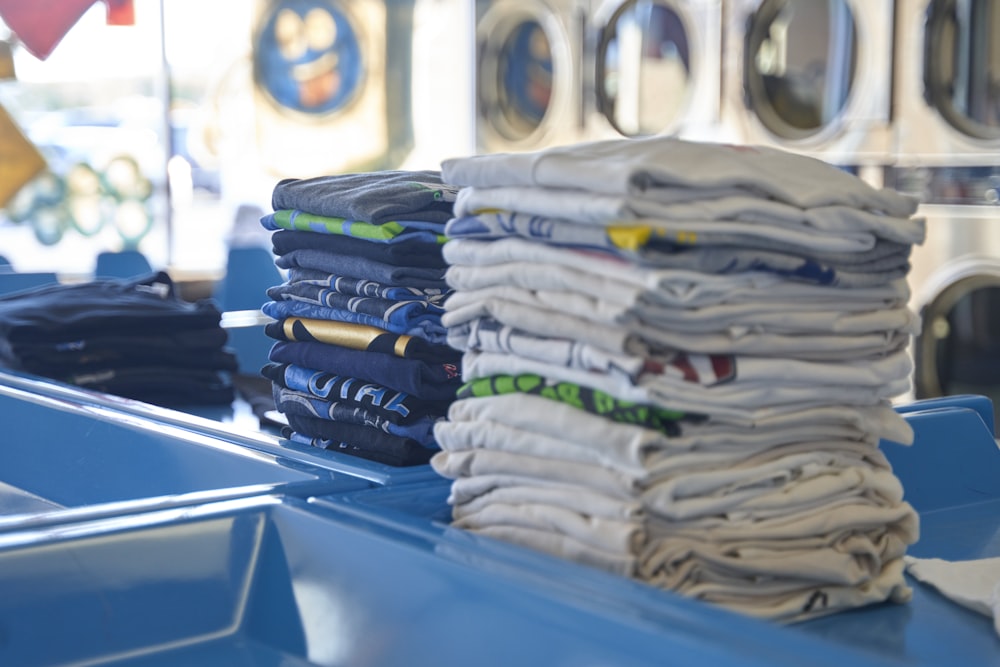
When you’re on the lookout for a dry cleaning and laundry service that truly stands out, look no further than Sage Cleaners. We pride ourselves on offering a comprehensive array of services designed to cater to all your garment care needs:
a. Dry Cleaning
- Advanced Techniques: Our dry cleaning processes utilize cutting-edge techniques and eco-friendly solvents to ensure your garments return looking impeccable.
- Stain Removal: Our dry cleaners in St. Petersburg excel at stain removal, tackling even the toughest spots, so your clothes look as good as new.
- Gentle Handling: Every piece of clothing is treated with the utmost care, from intricate detailing to delicate fabrics.
b. Wash and Fold Laundry
- Efficiency: Sage Cleaners saves you time by offering wash and fold laundry services, making everyday clothes care effortless.
- Quality Detergents: We use high-quality detergents to ensure your clothes are not just clean but also fresh and soft.
- Neatly Folded: Your laundry is returned neatly folded and ready to wear or put away.
c. Bedding and Household Items
- Comprehensive Cleaning: Beyond clothing, we extend our expertise to bedding, comforters, and household items, helping you maintain a clean and fresh home environment.
- Care for Delicate Items: Whether it’s a delicate bedspread or intricate curtains, we handle your household items with precision.
d. Alterations and Repairs
- Tailoring Expertise: If you need alterations or repairs for your garments, our skilled tailors can help you achieve the perfect fit.
- Satisfaction Guaranteed: We ensure your alterations meet your exact specifications and satisfaction.
e. Wedding Dress Preservation
- Preserving Memories: For brides, preserving the wedding gown is a cherished tradition. At Sage Cleaners, we specialize in wedding dress preservation, ensuring your gown remains pristine for years to come.
- Attention to Detail: We meticulously clean and care for every delicate lace, bead, and fabric, ensuring your dress is a testament to your special day.
f. Leather & Suede Cleaning
- Specialized Care: Leather and suede require specialized care, and we have the expertise and equipment to handle them.
- Renewal: We can revitalize your leather and suede items, making them look refreshed and extending their lifespan.
When Should You Opt for a Dry Cleaning Service?

Dry cleaning is a versatile garment care solution that can help you preserve the quality and longevity of your clothing items. But when is the right time to opt for a dry cleaning service? Let’s explore some key scenarios:
1. Special Occasions
- Weddings, Proms, and Galas: When you have a special event on the horizon, your formal wear deserves special attention. Dry cleaning ensures your outfits look their absolute best for the big day.
2. Delicate Fabrics
- Silk, Wool, and Cashmere: Garments made from delicate materials like silk, wool, and cashmere can easily be damaged in regular washing machines. Dry cleaning ensures they’re cleaned without harm.
3. Stains and Spills
- Stubborn Stains: When you encounter tough stains like red wine, oil, or ink, professional dry cleaning is your best bet for complete removal.
4. Professional Attire
- Suits, Blazers, and Dress Shirts: Dry cleaning is essential for maintaining the shape and appearance of professional attire, ensuring you look sharp and polished.
5. Garments with Special Details
- Embellishments, Sequins, and Beads: Clothing with intricate details or embellishments requires delicate handling, making dry cleaning the ideal choice.
6. Odor Removal
- Smoke or Mildew Smells: Dry cleaning effectively removes odors that linger on your clothes, leaving them smelling fresh.
Contact Our Dry Cleaners in St. Petersburg, FL Today!
Why deal with the hassle of traditional dry cleaning and laundry when you can enjoy the convenience and quality of our expert services? Experience the convenience, quality, and affordability that our services offer. Whether you have a pile of business attire or a load of household items that need cleaning, our local dry cleaners are here to make it happen.
Contact our team today to experience the difference for yourself. Your satisfaction is guaranteed, and we can’t wait to serve you!
Frequently Asked Questions
Q: Do you offer pickup and delivery services in my area?
A: We cater to various areas in St. Petersburg and its surrounding neighborhoods in the Tampa Bay Area, ensuring your garments are just a call away from being cleaned.
Q: How can I schedule a pickup for my laundry?
A: Scheduling a pickup is easy. You can typically do it through our website or by giving us a call. We will coordinate a time that works for you and collect your garments from your preferred location.
Q: What happens if I’m not satisfied with the results?
A: Customer satisfaction is a top priority for our St. Petersburg Dry Cleaners. If you’re not satisfied with the results, reach out to our customer support team, and we will work to address your concerns promptly. We take pride in ensuring you’re happy with the service.
Q: Can I Dry Clean at Home?
A: Yes, you can dry clean certain items at home using home dry cleaning kits that are available in the market. These kits typically include pre-treated cloths or sheets and instructions for use. However, it’s important to note that home dry cleaning kits are best suited for refreshing lightly soiled garments and removing odors, rather than handling heavily stained or delicate items.
age Cleaners – Your Best Dry Cleaning Delivery Service in Brandon, FL
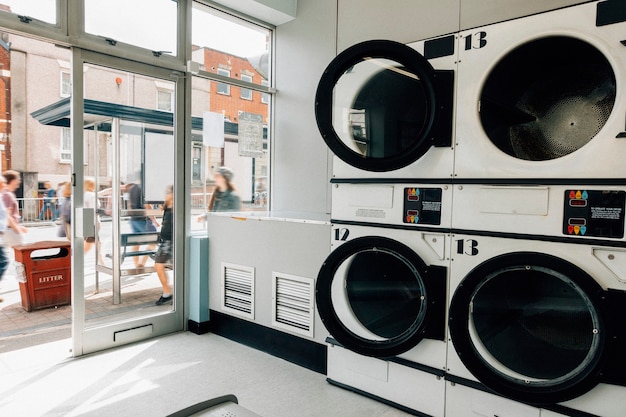
If you’re a resident of Brandon, Florida, and you’re tired of the never-ending laundry and dry cleaning chores, we’ve got some fantastic news for you! In this article, we’ll introduce you to the best dry cleaning delivery service in Brandon, FL, that can make your life easier and more convenient than ever.
Whether you need your clothes cleaned, pressed, and delivered to your doorstep or have questions about how dry cleaning service works, we’ll provide you with all the information you need. Keep reading to discover the ultimate solution for all your laundry and dry cleaning needs.
What Is a Dry Cleaning Delivery Service?
A dry cleaning delivery service is a modern and convenient solution designed to simplify the way you care for your clothing, linens, and other textile items. It offers a streamlined alternative to the traditional process of dropping off and picking up your garments at a physical dry cleaning location or laundromat. With the advent of dry cleaning delivery services, you can enjoy a multitude of benefits that save you time, effort, and even money.
Why Choose Dry Cleaning Delivery Service in Brandon, FL?
You may wonder why you should opt for a dry cleaning delivery service when you have other laundry options at your disposal in Brandon, FL. Here are compelling reasons why choosing a dry cleaning delivery service in Brandon, FL, is a smart and practical choice:
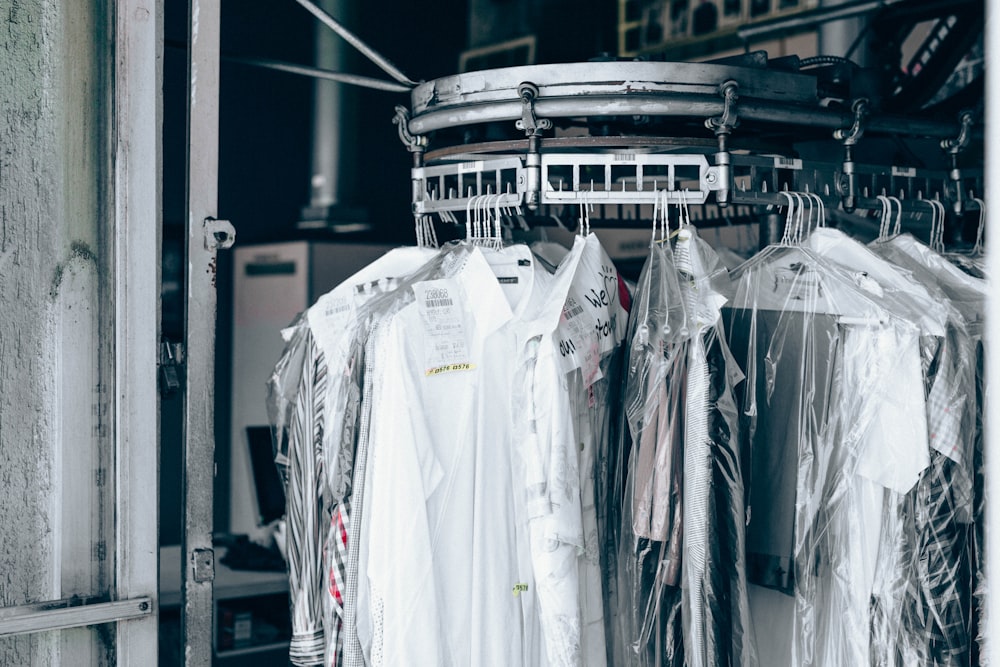
1. Convenience at Your Doorstep
Perhaps the most significant advantage of a dry cleaning delivery, including laundry service is the convenience it brings. Instead of making trips to a physical dry cleaning location or laundromat, you can enjoy the luxury of having the service come to you. Whether you’re at home, at work, or even at a hotel, you can schedule pickups and deliveries at locations that are most convenient for you.
2. Professional Handling
When you choose a reputable dry cleaning delivery service, you can trust that your garments are in capable hands. These services employ trained professionals who understand the nuances of different fabrics and clothing types. Your clothes are handled with care and expertise throughout the entire process, from pickup to delivery.
3. State-of-the-Art Cleaning Facilities
Dry cleaning delivery services typically have state-of-the-art cleaning facilities equipped with advanced machinery and eco-friendly cleaning agents. These facilities are designed to provide optimal cleaning results while minimizing environmental impact. Specialized equipment ensures that stains, odors, and dirt are effectively removed from your clothing.
4. Individualized Care
Many dry cleaning delivery services offer customers personalized garment care. You can specify any special requests or preferences, such as particular detergents, starch levels, or delicate handling instructions. They take these preferences into account to ensure your garments are cleaned to your satisfaction.
5. Prompt Turnaround
Professional dry cleaners understand the importance of time. They typically aim for a quick turnaround, ensuring that your cleaned and pressed clothes are returned to you within a reasonable timeframe. This is particularly valuable for those who need their garments ready for important events or those who have last-minute requests.
6. Additional Services
Beyond standard dry cleaning and laundry, many services offer a range of additional services. This may include wash and fold services, alterations, garment repairs, wedding gown preservation, and cleaning of household items like curtains and linens. Having access to these services under one roof can further simplify your life.
How Does the Pickup and Delivery Service Work?
A crucial aspect of any dry cleaning delivery service is understanding how it works. So here’s a step-by-step process:
- Scheduling a Pickup: You start by scheduling a pickup. This can often be done through an app or by calling the service. You choose a convenient time for them to collect your clothes.
- Collection: On the scheduled day, a representative from the dry cleaning service will come to your location and collect your dirty laundry or dry cleaning items.
- Cleaning Process: Your clothes are then professionally cleaned using state-of-the-art washers and dryers, and high-quality detergents.
- Pressing and Folding: After cleaning, your garments are pressed to perfection and neatly folded.
- Delivery: Once your clothes are cleaned and ready, they will be delivered to your doorstep, typically within a reasonable turnaround time.
Tips on Choosing the Best Dry Cleaners in Brandon, FL

- Assess Your Needs and Priorities: Begin by identifying your specific dry cleaning requirements. Consider the type and volume of items you need to clean regularly. Determine your priorities, such as convenience, cost, eco-friendliness, or specialized cleaning services.
- Research and Compare: Conduct thorough research by exploring multiple dry cleaning delivery services in your area. Look for online reviews and ratings, and take note of any positive and negative feedback on their customer service.
- Quality of Cleaning: One of the foremost factors to consider is the quality of cleaning. Inquire about the methods, detergents, and equipment used by each service. Look for services that are experienced in handling various fabrics and garments, especially if you have delicate or specialty items.
- Pricing and Transparency: Request detailed pricing information from each service. Pay attention to any additional charges or hidden fees. Consider the value you receive for the price you pay. Sometimes, a slightly higher cost may be justified by superior service quality.
- Convenience and Turnaround Time: Evaluate the convenience factor. Check if the services offer pick-up and delivery options that align with your schedule. Inquire about their turnaround time. A service with a quick and consistent return of your cleaned items can be a major advantage.
- Eco-Friendly Practices: If environmental sustainability matters to you, ask about their eco-friendly practices. Some services employ greener cleaning methods, recycling, or eco-conscious initiatives.
- Customer Service and Communication: Assess the quality of their customer service. Friendly and responsive customer support can make your experience smoother. Check if they have user-friendly platforms, such as a website or mobile app, for easy order placement and communication.
Sage Cleaners: Your Premier Dry Cleaning Destination
One name that stands out in the world of dry cleaning delivery and laundry services in Brandon, FL, is Sage Cleaners. We adhere to eco-friendly practices, offer quick turnaround times, and have wide service coverage in the Tampa Bay area.
Our pickup & delivery service works around your schedule. With two visits every week, we ensure that your laundry is returned to you crisp, clean, and on time, saving you the hassle of battling traffic on Bloomingdale Ave.
Scheduling a pickup is as easy as sending a text or a few clicks on our website. This service not only saves you time and effort but also guarantees that you have fresh, professionally cleaned clothes ready to wear when you need them!
Frequently Asked Questions
Q: What items are best for dry cleaning?
A: Dry cleaning is ideal for garments and textiles made from delicate or sensitive fabrics that can’t withstand traditional washing methods. These items include premium shirts, suits, dresses, silk, wool, cashmere, leather, and certain household items like curtains and drapes. Dry cleaning is particularly suited for removing oil-based stains and preserving the shape and color of these materials.
Q: What do I need to know before dry cleaning?
A: Before sending items for dry cleaning, it’s essential to check garment labels for care instructions. Some clothing items may have specific recommendations, such as “dry clean only” or “dry clean recommended.” Additionally, inspect garments for stains and point them out to the dry cleaner, as pre-treatment may be necessary. Remove any items from pockets and take note of any damages, as this information will help ensure proper care.
Q: What is different about dry cleaning?
A: Dry cleaning differs from traditional laundry methods in several ways. Firstly, it uses a chemical solvent, typically perchloroethylene or a hydrocarbon-based solution, instead of water to clean garments. This makes it suitable for fabrics that can’t be exposed to water. Secondly, dry cleaning machines gently agitate clothes to prevent damage, and the process avoids the harsh mechanical action of a washing machine. Dry cleaning is also effective at removing oil-based stains, which water-based washing methods may struggle with.
Q: What cleaning agents are used in dry cleaning?
A: Dry cleaning primarily employs chemical solvents for cleaning, with perchloroethylene and hydrocarbon-based solutions being the most common. These solvents effectively dissolve oil and grease-based stains without damaging delicate fabrics. Dry cleaners carefully monitor and filter these solvents to maintain their cleaning efficacy.
Q: How powerful is dry cleaning?
A: The effectiveness of dry cleaning depends on several factors, including the type of solvent used, the expertise of the dry cleaner, and the condition of the garment. Dry cleaning is highly effective at removing oil-based stains, odors, and dirt from delicate fabrics. However, not all stains may be completely removed, and some fabrics may experience color fading or texture changes over time. It’s essential to communicate specific concerns with your dry cleaner to ensure the best possible results.
Factors Affecting the Cost of Dry Cleaning a Suit
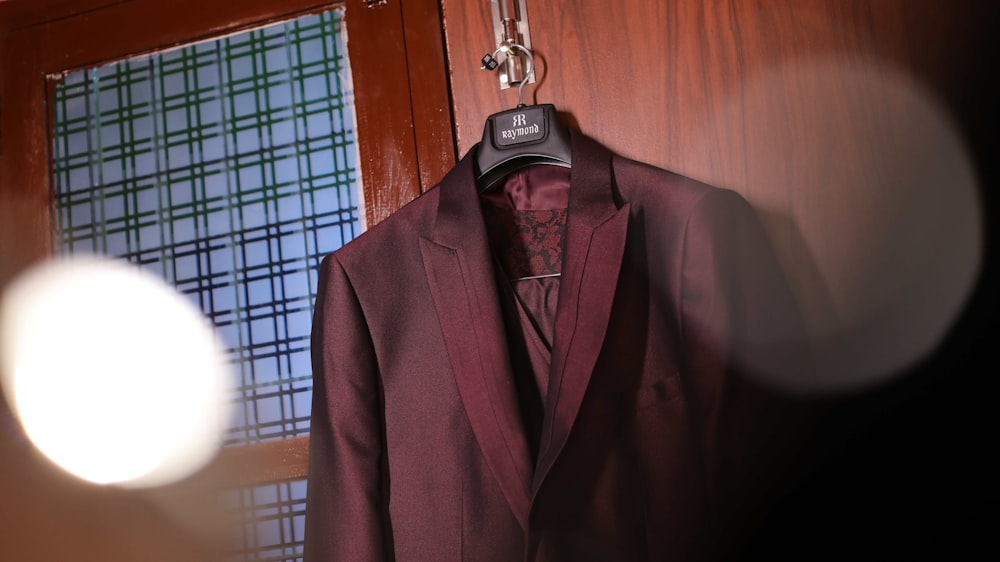
Amongst the incredible benefits of dry cleaning a suit is its proven effectiveness in removing difficult stains like wine, makeup, and oil – all of which are not easy to dissolve using a wet cleaning process. But despite the exceptional results that dry cleaning guarantees, people often choose not to try this service anyway because of the apparent high cost that comes with it.
If you would know the exact figures of how much is dry cleaning a suit, would you still be willing to pay for this service? Let’s find out in this article the average cost to dry clean a suit and the various factors that affect it.
Why Should You Dry Clean Your Suit?
Dry cleaning your suit is not just a matter of convenience. It’s a wise choice for maintaining the quality, appearance, and longevity of your valuable attire. Here are several compelling reasons why you should consider bringing your suit to a dry cleaner near you:
1. It is gentle on delicate fabrics.
Suits are often made from delicate and high-quality materials such as wool, silk, or cashmere. These fabrics can be sensitive to traditional washing methods involving water, which can lead to shrinkage, distortion, or damage. Dry cleaning, on the other hand, is a gentle process that cleans without exposing your suit to harsh elements. This ensures your suit retains its shape, texture, and softness.
2. Stain Removal Expertise
Dry cleaners are professionals with expertise in identifying and treating various types of stains. From ink smudges to food spills, they have the knowledge and specialized solvents to effectively remove stains without compromising the fabric’s integrity. Trying to remove stains at home may lead to further damage, whereas dry cleaning offers a safe and reliable solution.
3. Odor Elimination
Over time, suits can develop odors from daily wear, perspiration, or exposure to different environments. Dry cleaning effectively removes these odors, leaving your suit fresh and ready to wear. The process not only cleans the visible surface but also penetrates the fabric to eliminate embedded odors.
4. Preservation of Color
Suits often feature intricate color patterns and detailing. Traditional washing methods can cause colors to bleed or fade, resulting in a dull appearance. Dry cleaning preserves the original color of your suit, ensuring it continues to look vibrant and sharp, even after multiple cleanings.
5. Avoiding Shrinkage
Natural fibers like wool and silk have a tendency to shrink when exposed to water and heat. Dry cleaning eliminates the risk of shrinkage, keeping your suit at its original size and ensuring a proper fit. This is particularly crucial for tailored suits that rely on precise measurements.
6. Maintaining Structure
Suits are designed with specific structures, linings, and tailored details that give them their distinctive shape and fit. Dry cleaning helps maintain these structural elements, ensuring your suit hangs correctly and looks well-tailored.
7. Convenience and Time-Saving
Dry cleaning offers unparalleled convenience, especially for individuals with busy schedules. You simply drop off your suit at the dry cleaner, and it’s returned to you professionally cleaned, pressed, and ready to wear. This not only saves you time but also ensures your suit receives meticulous care that might be challenging to replicate at home.
Understanding Dry Cleaning Costs
Dry cleaning is a specialized cleaning service that caters to garments that cannot be cleaned with traditional water-based methods. Here are some key factors that affect how much you can expect to pay for dry cleaning:
- Type of Garment – The type of garment you need to have dry cleaned plays a significant role in determining the cost. Common items include suits, shirts, sweaters, wedding dresses, blouses, and pairs of pants. Each of these garments comes with its own price tag, with suits often being on the higher end due to their complexity and the materials used.
- Material Matters – The material your suit is made from can greatly affect the cost of dry cleaning. Suits made from delicate fabrics, such as silk or cashmere, tend to cost more to clean than those made from sturdier materials like polyester or wool. It’s important to shop around and find a dry cleaner that specializes in cleaning your specific type of suit material.
- Location of the Dry Cleaner You Use – Dry cleaning prices can also vary based on your location. Dry cleaners in urban areas tend to charge higher prices than those in suburban or rural locations. It’s worth exploring nearby dry cleaners to find the best deal.
- Specialized Services – If your suit requires special attention, such as stain removal or pressing, be prepared to pay extra. Some dry cleaners offer additional services that can enhance the appearance and longevity of your suit, but these services come at an added cost.
- Size and Material – The size of the item and the amount of material used can also impact the final price. A three-piece suit, for example, will generally cost more to dry clean than a two-piece suit due to the additional garments involved.
How Much Does Dry Cleaning Cost for Different Suit Fabrics?

When it comes to getting your suit cleaned, the type of material it’s made from hugely affects the price. Different fabrics require distinct care and attention during the dry cleaning process, which can eventually increase the cost. Here’s a breakdown of how much does dry cleaning cost for various suit fabrics:
1. Wool Suits
Price Estimate: $15 – $30
Wool suits are among the most common and versatile types of suits. They are known for their durability and wrinkle-resistance. Dry cleaning a wool suit is generally more affordable compared to other fabrics due to wool’s resilience and ease of cleaning. However, the exact price can vary based on factors such as location and additional services.
2. Silk Suits
Price Estimate: $20 – $40
Silk suits are known for their luxurious look and feel but require special care. The price for dry cleaning a silk suit is typically more expensive due to the delicate nature of silk fibers. Dry cleaners use gentle solvents and techniques to avoid damage and maintain the fabric’s sheen and softness.
3. Cashmere Suits
Price Estimate: $30 – $50
Cashmere suits are a symbol of luxury and warmth. Dry cleaning cashmere suits can be relatively costly due to the delicacy of the fabric. Dry cleaners take extra precautions to prevent damage, maintain the softness of cashmere, and preserve its insulating properties.
4. Linen Suits
Price Estimate: $15 – $30
Linen suits are favored for their breathability, making them a popular choice for warmer climates. Dry-cleaning linen suits are usually moderately priced, similar to wool suits. However, linen wrinkles easily, so additional pressing may be required, potentially increasing the overall cost.
5. Polyester Suits
Price Estimate: $10 – $20
Polyester suits are known for their affordability and resistance to wrinkles and stains. Dry cleaning polyester suits is cost-effective because the fabric is durable and easy to clean. While it may not require extensive stain removal or delicate handling, the price can vary depending on location and additional services.
6. Velvet Suits
Price Estimate: $25 – $45
Velvet suits are distinguished by their soft, plush texture. Dry cleaning velvet suits can be on the higher end of the price range due to the need for careful handling to maintain the fabric’s luxurious appearance. Velvet is prone to flattening or matting if not properly cared for.
7. Tweed Suits
Price Estimate: $20 – $40
Tweed suits are known for their durability and warmth, making them ideal for cooler weather. The price of dry cleaning tweed suits typically falls within the mid-range of pricing. The fabric’s texture and weave may require specific attention to maintain its distinctive appearance.
8. Cotton Suits
Price Estimate: $15 – $30
Cotton suits are comfortable and breathable, perfect for casual or summer wear. Dry cleaning cotton suits is generally affordable, similar to wool and linen suits. However, the price can vary based on location and whether additional services like stain removal are needed.
9. Blended Fabrics
Price Estimate: Varies
Many suits are made from blended fabrics, combining two or more materials. The total cost for dry-cleaning such men’s suits depends on the specific fabrics used and their care requirements. Blended fabric suits may fall within the pricing estimates mentioned for their predominant materials.
Additional Services and Fees to Dry Clean A Suit
 While the base price for dry cleaning a suit covers the standard cleaning process, dry cleaners often offer additional services like pressing and stain removal to enhance the appearance and longevity of your attire. These services come with their own fees, so it’s essential to know what they are when you take your suit to the dry cleaner. Here are some common additional services and how much does it cost to avail them:
1. Stain Removal
Price Estimate: $5 – $15 per stain
If your suit has specific stains that require extra attention, dry cleaners offer stain removal services. The cost varies depending on the type and severity of the stain. Minor stains may be at the lower end of the range, while stubborn or complex stains may incur higher charges.
2. Pressing or Ironing
Price Estimate: $5 – $15 per item
While basic pressing is often included in the standard dry cleaning service, some suits may require additional pressing or ironing to achieve a perfectly crisp appearance. The price depends on the number of items that need pressing.
3. Alterations and Repairs
Price Estimate: Varies
If your suit requires alterations or minor repairs, such as hemming or fixing a loose button, dry cleaners can provide these services at an additional cost. The price depends on the extent of the alterations needed.
4. Garment Bag
Price Estimate: $2 – $5
To protect your cleaned suit and maintain its freshness, dry cleaners often offer garment bags for purchase. These bags are a convenient way to store and transport your suit while safeguarding it from dust and damage.
5. Preservation Services
Price Estimate: Varies
Preservation services are typically offered for wedding dresses and valuable, heirloom-quality suits. These services involve specialized packaging and storage techniques to ensure long-term preservation. Prices can vary widely depending on the level of preservation required.
6. Rush Service
Price Estimate: $10 – $20
If you need your suit cleaned and returned within a shorter timeframe, many dry cleaners offer rush services for an additional fee. This service prioritizes your order to ensure a quicker turnaround.
7. Delivery Service
Price Estimate: Varies
Some dry cleaners provide a pickup and delivery service for added convenience. The cost depends on factors like distance and frequency of service. It’s an excellent option for those with busy schedules.
8. Button Replacement
Price Estimate: $1 – $5 per button
If your suit has missing or damaged buttons, dry cleaners can replace them for you. The cost depends on the type and quality of buttons used.
Talk to Your Local Dry Cleaners Today!
the decision to dry clean your suits is not just about cleanliness; it’s about investing in the longevity and quality of your clothing. So, if you’re wondering how to care for your suits or have specific questions about your garments, don’t hesitate to reach out to your local dry cleaners.
They are the experts in the field and can provide tailored advice and services to ensure your suits continue to make a lasting impression. Your suits deserve the best care, and your local dry cleaners can help you achieve just that.
Frequently Asked Questions
Q: Can you wash a dry clean suit?
A: It is generally not recommended to wash a dry-clean-only suit at home. Dry-clean-only labels are there for a reason – to indicate that the fabric and construction of the suit may not withstand traditional water-based washing methods. Attempting to wash a dry-clean-only suit at home can lead to fabric damage, color fading, and shrinkage. To maintain the integrity of your suit, it’s best to have it professionally dry-cleaned by experts who use specialized solvents and techniques.
Q: Can you hand wash a suit?
A: Hand washing a suit is not advisable, especially if it carries a dry-clean-only label. Suits are often made from delicate fabrics and tailored with intricate details that can be easily damaged by hand washing. Water can cause irreversible damage, including shrinkage and distortion of the fabric. To ensure your suit remains in good condition, it’s best to entrust it to a professional dry cleaner who can use the appropriate cleaning methods.
Q: How often should I wash my suit?
The frequency of washing your suit depends on how often you wear it and the level of soil or odors it accumulates. In most cases, suits do not need frequent cleaning. It’s generally recommended to dry clean a suit only when it becomes visibly soiled or starts to develop odors. Frequent dry cleaning can accelerate wear and tear. Instead, consider spot-cleaning minor stains and using a garment brush to remove dust and debris between cleanings.
Q: Is it OK to iron a suit?
It is generally acceptable to iron a suit, but it should be done with caution and the appropriate technique. To avoid damaging the fabric, always use a low to medium heat setting on your iron, and place a cloth or pressing cloth between the iron and the suit to prevent direct contact. Additionally, use a steamer for light touch-ups whenever possible to avoid the risk of scorching or shining the fabric. If you’re unsure about ironing your suit, consult with a professional dry cleaner for guidance.
How Long Does Wedding Dress Preservation Last?
Wedding dress preservation is a process that involves carefully cleaning, treating, and storing a wedding dress to maintain its quality and condition over time. It is a popular choice for brides who wish to preserve their cherished wedding gown as a memento or for future generations. Understanding the intricacies of Wedding gown preservation can help ensure the longevity of this special garment.
Wedding gown preservation works by removing stains, dirt, and oils from the fabric, and then carefully packaging the dress in an acid-free, archival-quality storage box or bag. This helps protect the dress from yellowing, discoloration, and damage caused by light, humidity, and environmental factors.
Several factors can affect the duration of wedding gown preservation.
- The storage conditions play a crucial role, including temperature, humidity, and exposure to light.
- The material and fabric of the wedding dress also impact its longevity, as some fabrics are more prone to deterioration over time.
- The cleaning and stain removal process needs to be done professionally and with care to avoid any damage.
- Proper handling and maintenance of the preserved dress are also important.
The duration of wedding dress preservation varies depending on these factors. On average, a properly preserved wedding dress can last anywhere from 20 to 100 years. It is important to keep in mind that some dresses may deteriorate earlier or last longer, depending on the aforementioned factors.
Signs that Wedding gown preservation may be failing include:
- Yellowing or discoloration of the fabric.
- The appearance of new stains.
- Damage to the dress such as holes or tears.
If any of these signs are noticed, it may be necessary to consult a professional preservation specialist to address the issue.
To extend the lifespan of Wedding gown preservation, there are several tips to follow. These include storing the dress in a cool, dry, and dark place, avoiding exposure to direct sunlight or extreme temperatures. Regularly inspecting the preserved dress for any signs of damage or deterioration, and addressing any issues promptly can help maintain its condition for a longer period.
By understanding the process, factors, and proper care involved in Wedding gown preservation, you can ensure that your cherished gown remains in excellent condition and can be enjoyed and cherished for many years to come.
Preserving Your Wedding Dress: Lasting Elegance Preserving Your Wedding Dress: Lasting Elegance
Key takeaway:
- Wedding dress preservation prolongs the lifespan: By properly preserving your wedding dress, you can extend its lifespan and keep it in pristine condition for future generations.
- Storage conditions are crucial: Factors like temperature, humidity, and exposure to light can significantly affect the duration of Wedding gown preservation. Proper storage conditions are imperative to ensure its longevity.
- Cleaning and maintenance are essential: Regular cleaning and proper stain removal techniques are important to prevent deterioration of the wedding dress and maintain its original beauty. Handling and maintenance practices should be followed to avoid any damage.

What is Wedding Dress Preservation?
What is Wedding Dress Preservation?
Wedding dress preservation refers to the process of wedding dress cleaning and storing a bridal gown to maintain its quality and appearance. This practice safeguards the dress from issues like yellowing, fabric deterioration, and environmental damage. In order to achieve the desired results, the gown is meticulously cleaned to eliminate any stains, dirt, or oils. Once cleaned, the dress is carefully stored in an acid-free box or bag to prevent discoloration and degradation. Proper storage involves keeping it in a cool, dry place, away from sunlight and moisture.
To ensure optimal results, it is highly recommended to have the dress professionally preserved. This guarantees the use of appropriate cleaning techniques and packaging materials, ultimately prolonging the gown’s lifespan. It is important to note that the duration of Wedding gown preservation cannot be precisely guaranteed. Factors such as the fabric used, storage conditions, and the way it is handled can all affect how long the preservation will last.
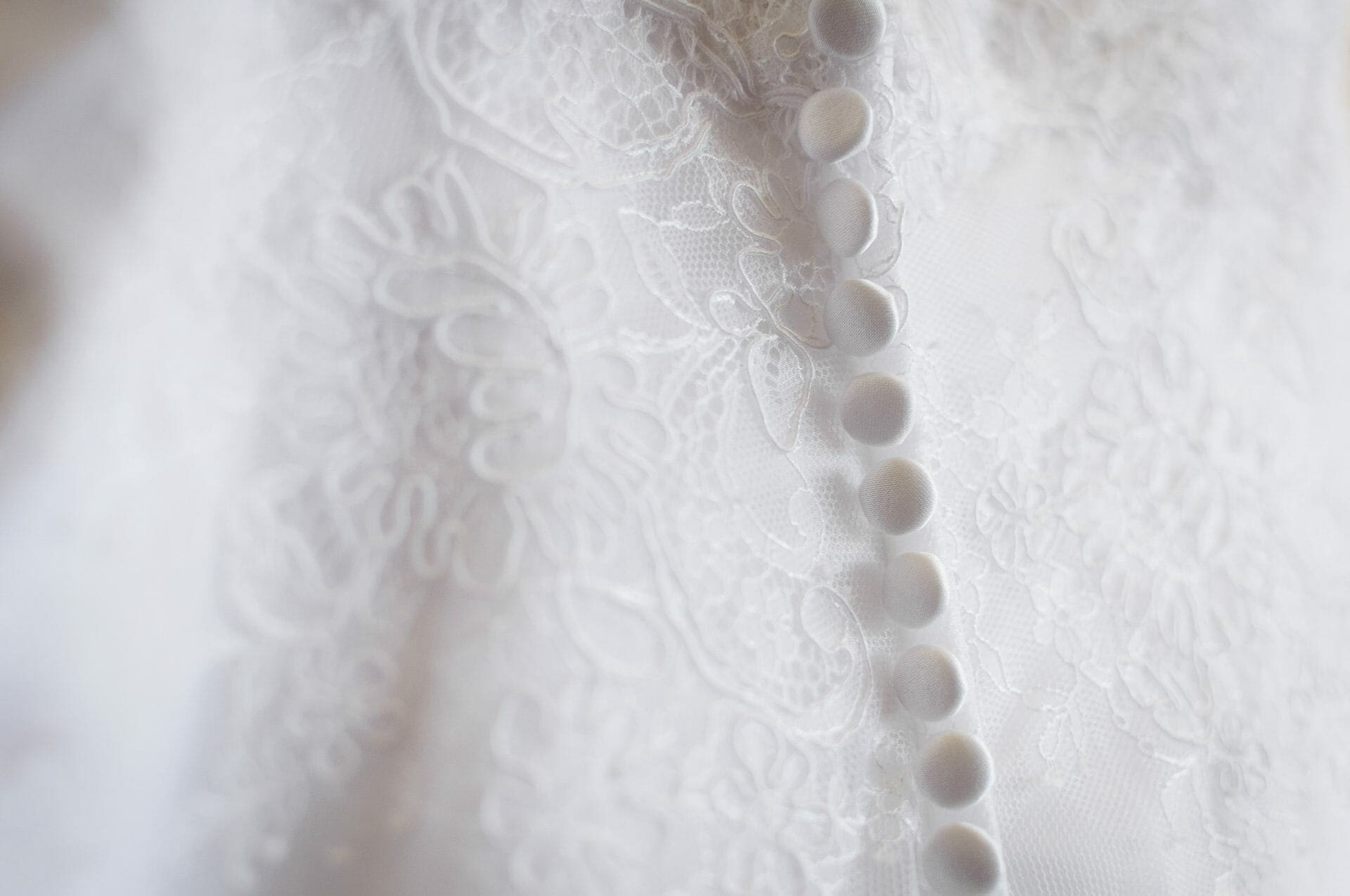
How Does Wedding Dress Preservation Work?
Wedding dress preservation is a meticulous process aimed at safeguarding the dress and maintaining its allure. The first step involves a thorough cleaning to eliminate any stains and dirt. Once cleaned, the dress is carefully packaged and placed in a specialized preservation box or bag. This protective measure shields it from light, dust, and humidity.
To prevent yellowing, discoloration, and wrinkles, the preservation box or bag is crafted using acid-free materials. The dress is wrapped in acid-free tissue paper to provide extra protection.
When selecting a Wedding gown preservation service, it is advisable to opt for a reputable company that specializes specifically in this service. It is essential to review and consider testimonials to ensure the expertise and quality of the chosen service provider. For further preservation, store the preserved dress in a cool and dry location, away from direct sunlight.
By following these steps and employing appropriate storage techniques, a wedding dress can maintain its excellent condition for years to come, allowing future generations to admire and appreciate its beauty. Wedding dress preservation is accomplished through a process involving dress cleaning, packaging in an acid-free preservation box, and storage in a cool and dry place.

Factors Affecting the Duration of Preserving Your Wedding Gown
Preserving your wedding dress is a crucial step in keeping those cherished memories intact. But have you ever wondered how long the preservation will last? In this section, we’ll uncover the factors that play a role in the duration of wedding dress preservation. From the impact of storage conditions to the choice of materials and fabrics, as well as cleaning techniques and maintenance, we’ll explore what affects the longevity of your gown preservation. Get ready to dive into the secrets of making your wedding dress last a lifetime!
Storage Conditions
When storing your wedding dress, proper conditions are essential to preserve its quality and longevity. Consider the following factors:
– Temperature: Keep the storage area between 65-75 degrees Fahrenheit (18-24 degrees Celsius) to prevent damage from extreme heat or cold.
– Humidity: Maintain humidity levels between 40-50% to prevent mold or mildew growth. Avoid damp areas.
– Light: Avoid direct sunlight or bright artificial light, as they can cause fading and discoloration.
– Air Circulation: Ensure proper air circulation to prevent trapped moisture. Avoid airtight containers.
By maintaining these conditions, you can extend the lifespan of your wedding dress and keep it in the best condition for years to come.
Sarah preserved her wedding dress carefully. She stored it in a temperature-controlled closet, away from sunlight. A few years later, she noticed yellow stains and a musty odor on the dress. Upon inspection, she discovered a leak had affected the storage area, causing excess humidity. The improper storage conditions had damaged her beloved dress. Sarah learned the importance of regularly checking and maintaining the storage conditions to preserve her wedding dress long-term.
Material and Fabric of the Wedding Dress
“When it comes to preserving a wedding dress, the material and fabric used in its construction play a vital role in ensuring its long-term condition. Delicate fabrics such as silk and lace require extra care to prevent any tearing or fraying.
The fabric composition also impacts the dress’s aging process and overall appearance. Natural fibers like silk and cotton are both breathable and durable compared to synthetic materials. The weight of the fabric is another factor to consider, as heavier fabrics may require additional support to prevent stretching or distortion over time.
It is essential to have a clear understanding of the dress’s construction, particularly if it features intricate beading or embellishments, in order to avoid any potential damage or loss. Therefore, when selecting a wedding dress, it is advisable to opt for high-quality fabrics known for their durability and easy maintenance.
To ensure the gown’s longevity, seeking guidance from professionals specializing in wedding dress preservation is highly recommended.”
Cleaning and Stain Removal
Proper cleaning and stain removal are essential for wedding dress preservation. Follow these steps to effectively clean and remove stains from a wedding dress:
1. Identify the type and source of the stain to determine the appropriate cleaning method.
2. Test a small, inconspicuous area of the dress with the chosen cleaning solution to avoid fabric damage.
3. Gently blot excess stain with a clean cloth or paper towel, avoiding rubbing or spreading the stain.
4. Apply the cleaning solution to the stain using a clean cloth or sponge. Blot from the outer edges towards the center to prevent spreading.
5. Rinse the area with clean water to remove any cleaning solution residue.
6. Repeat the process if needed, especially for stubborn stains.
7. Once the stain is removed, gently blot the area with a dry cloth to remove excess moisture.
A true story illustrates the importance of proper cleaning and stain removal. Sarah, a bride, accidentally spilled red wine on her wedding dress during the reception. By acting quickly and following the steps above, she successfully removed the stain without damaging the dress. Her dress remained pristine, serving as a cherished memento of her special day.
Handling and Maintenance
Handling and Maintenance
When preserving a wedding dress, there are important factors to consider:
- Proper storage: Store the dress in a cool, dry place, away from direct sunlight and humidity. Avoid basements or attics with temperature and moisture fluctuations.
- Careful handling: Use clean hands and wear clean cotton gloves when taking out or putting back the dress to prevent transferring oils and dirt onto the fabric.
- Minimize touching: Only handle the dress when necessary to prevent wear and tear.
- Regular inspections: Check the dress periodically for loose threads, missing buttons, or tears. Address any issues immediately.
- Dust and stain prevention: Cover the dress with a clean, breathable garment bag. Avoid plastic bags that can trap moisture.
To extend the dress’s lifespan, follow these tips:
- Protect from children and pets.
- Avoid exposure to strong odors, smoke, or chemicals.
- Use professional cleaning services from reputable experts.
- Store the dress in acid-free tissue paper or muslin fabric.
- Periodically check the dress’s condition and make necessary repairs or adjustments.
How Long Does Wedding Dress Preservation Last?
Wedding dress preservation is an important process that can last for many years if done correctly. The key factor in preserving a wedding dress is the method used. It is crucial to opt for professional techniques, such as museum-quality preservation, which guarantee that the dress will remain in excellent condition for decades.
Apart from the preservation method, storage conditions are also vital to ensure the longevity of a wedding dress. To prevent damage from mold, yellowing, or fabric deterioration, it is essential to keep the dress in a cool, dry, and dark place away from sunlight and humidity. Regular inspections should be conducted to catch any signs of damage or discoloration early on.
Proper handling and care are equally important in the preservation of a wedding dress. Whether the dress is displayed or worn, it should be treated with utmost care to avoid any unnecessary wear and tear.
The duration of wedding dress preservation varies depending on various factors and how well they are managed. By following professional preservation methods, paying attention to storage conditions, and ensuring proper handling and care, a wedding dress can be preserved for a long time.
Signs that Wedding Dress Preservation may be Failing
Are you noticing any signs that your wedding dress preservation may be failing? Here are some indicators to look out for:
- Yellowing or discoloration: If you are seeing your wedding dress turn yellow or become discolored, it could be a sign that the preservation methods used were not effective in preventing oxidation and fabric aging.
- Stains and spots: If you find additional stains or spots on your dress that were not present during the preservation process, it suggests that the cleaning was not sufficient or that the dress was not adequately protected from future stains.
- Musty or unpleasant odor: If your dress has a strong musty or unpleasant smell, it may be an indication of mold or mildew growth, which suggests that humidity control during preservation was inadequate.
- Fabric deterioration: Weak, frayed, or disintegrating fabric can mean that the preservation materials did not effectively protect the dress from degradation over time.
- Visible signs of damage: Tears, rips, or any other visible damage that was not present before preservation may point to improper care during the preservation process, leading to the physical deterioration of the dress.
Tips for Extending the Lifespan of Wedding Dress Preservation
- Prior to storing, it is important to clean the dress to remove any stains or dirt that may be present.
- To prevent fading or discoloration, it is recommended to store the dress in a cool and dry location, away from direct sunlight.
- To avoid creases or wrinkles, consider using acid-free tissue paper when storing the dress.
- Opt for a breathable garment bag or storage box that allows air circulation, as this will help prevent moisture build-up.
- It is advisable to refrain from hanging the dress for extended periods of time to prevent any potential stretching of the fabric.
- Regularly check the dress for any signs of pest or moisture damage. If necessary, consider seeking professional preservation services.
The tradition of wedding dress preservation dates back centuries, with ancient Roman brides valuing the preservation of their gowns as treasured heirlooms. As wedding gowns became more intricate during the Victorian era, preservation became increasingly prevalent. Even today, brides continue to preserve their dresses, cherishing the memories associated with them and potentially passing them down to future generations.
Some Facts About How Long Does Wedding Dress Preservation Last?
- ✅ Wedding dress preservation can ensure the dress lasts a lifetime. (Source: Brides)
- ✅ Preservation involves special cleaning and packaging techniques. (Source: Brides)
- ✅ The duration of wedding dress preservation can vary, but it typically lasts for many years. (Source: Affordable Preservation)
- ✅ Preservation requires a unique treatment plan based on the dress’s fabric, stitching, and stains. (Source: Brides)
- ✅ Properly preserved wedding dresses can be passed down or repurposed. (Source: Our Team)
Frequently Asked Questions:
Q: How long does wedding dress preservation last?
A: Wedding dress preservation typically lasts for several decades if the dress is properly stored and cared for.
Q: What does it mean to clean and preserve a wedding dress?
A: Cleaning and preservation of a wedding dress involve removing any stains or dirt from the dress and then storing it in a way that prevents yellowing and damage over time.
Q: Should I clean and preserve my wedding dress?
A: Yes, it is recommended to clean and preserve your wedding dress if you want to keep it in its best condition for years to come.
Q: How do I preserve a wedding dress?
A: To preserve a wedding dress, you can either take it to a professional wedding dress preservation company or follow specific instructions provided by a preservation kit.
Q: Can I store my wedding dress myself?
A: Yes, you can store your wedding dress yourself by using a preservation chest or a suitable container that allows for proper air circulation.
Q: How soon after my wedding should I have my dress preserved?
A: It is best to have your wedding dress professionally cleaned and preserved as soon as possible after your wedding day to prevent stains from setting and to ensure the best results.
Q: What happens if I wait too long to preserve my dress?
A: If you wait too long to have your wedding dress cleaned and preserved, stains may become more difficult to remove and the dress may suffer from yellowing or other damage.
Q: Should I have my wedding gown cleaned before preservation?
A: Yes, it is highly recommended to have your wedding gown professionally cleaned before preservation to remove any stains and dirt that may have accumulated during your wedding day.
Q: How long does wedding gown preservation typically take?
A: Wedding gown preservation typically takes a few weeks to complete, depending on the preservation process and the workload of the preservation company.
Q: Can a wedding dress be preserved if it is not white?
A: Yes, wedding dresses of any color can be preserved. The preservation process focuses on cleaning and storing the dress properly to prevent damage and yellowing, regardless of its color.
Preserving Your Wedding Dress: Lasting Elegance Preserving Your Wedding Dress: Lasting Elegance
The Top Dry Cleaning Delivery Service in Clearwater, FL: A Comprehensive Review
Summary: In the bustling city of Clearwater, FL, finding the best dry cleaning service can be a daunting task. With so many options available, how do you choose the right one? This article dives deep into the world of dry cleaning in Clearwater and highlights why Sage Cleaners stands out from the rest. Read on to discover the unparalleled service, quality, and convenience they offer.
Why is Dry Cleaning Essential in Clearwater, FL?
Clearwater, FL, with its humid climate and bustling lifestyle, demands a reliable dry cleaning service. Whether it’s for business attire or casual wear, residents need a service that ensures their clothes are clean, fresh, and ready for the day. Dry cleaning not only helps maintain the quality and longevity of garments but also saves time for those with busy schedules.
What Sets Sage Cleaners Apart from Other Dry Cleaners in Clearwater?
Sage Cleaners, located in the heart of Clearwater, FL, has consistently provided top-notch service to its customers. Their state-of-the-art machines, combined with their expertise in garment care, make them the go-to place for all dry cleaning needs. Furthermore, their commitment to using eco-friendly products ensures that your clothes are not only clean but also treated with the utmost care. At Sage Cleaners, customer satisfaction is their top priority. Their team of friendly and knowledgeable staff members is always ready to assist customers with any questions or concerns they may have. Whether it’s a delicate silk blouse or a tailored suit, customers can trust that their garments will receive the highest level of care.
Sage Cleaners takes pride in their state-of-the-art machines, which are designed to effectively remove stains and odors without causing any damage to the fabric. Their advanced technology ensures that each item is thoroughly cleaned and restored to its original condition.
What sets Sage Cleaners apart from other dry cleaners is their commitment to using eco-friendly products. They understand the importance of protecting the environment and strive to minimize their ecological footprint. By using environmentally safe detergents and cleaning techniques, they not only provide exceptional service but also contribute to a greener planet.
In addition to their eco-friendly practices, Sage Cleaners offers a range of services to meet their customers’ specific needs. From regular dry cleaning and laundry services to sensitive garment care, they have the expertise to handle all types of fabrics and materials. They value their customers’ time and offer fast and efficient service, ensuring that garments are ready when promised.
Sage Cleaners picks up & delivers your dry cleaning directly to your door, making it convenient for customers to drop off and have their items returned.
With Sage Cleaners, customers can trust that their garments will receive top-notch care, using the latest technology and eco-friendly practices. Their commitment to customer satisfaction and environmental responsibility sets them apart from other dry cleaning establishments in the area. For a reliable and exceptional dry cleaning experience, Sage Cleaners is the go-to place in Clearwater, FL.

The Importance of Customer Reviews in Choosing a Dry Cleaner
Reviews play a crucial role in determining the quality of a business. Sage Cleaners boasts an impressive array of positive reviews, highlighting their excellent customer service, timely deliveries, and unparalleled cleaning quality. When compared to other dry cleaners in Clearwater, such as Scott’s Custom Cleaners or Eliana’s Alterations, Sage Cleaners consistently comes out on top.
How Does Sage Cleaners Compare to Sun Country Cleaners?
While Sun Country Cleaners has been a staple in the Clearwater community for years, Sage Cleaners offers a more modern approach to dry cleaning. With their free delivery service, advanced cleaning technology, and focus on customer satisfaction, Sage Cleaners has quickly risen to the top of the dry cleaning industry in Clearwater.
The Business Behind the Best Dry Cleaning Service
With over 30 years of experience in the industry, Sage Cleaners understands the intricacies of the dry cleaning business. Their commitment to excellence, combined with their dedication to providing the best service possible, has solidified their position as the top dry cleaner in Clearwater, FL.
Quality Over Quantity: The Sage Cleaners Promise
Quality is at the forefront of Sage Cleaners’ mission. Every garment, from pants to dresses, is treated with specific care instructions, ensuring that each piece retains its original luster and longevity.
Top 5 Services Offered by Sage Cleaners
- Expert garment cleaning
- Free delivery service
- State-of-the-art cleaning technology
- Eco-friendly cleaning products
- Tailoring and alterations

The Evolution of Dry Cleaning Technology at Sage Cleaners
Sage Cleaners prides itself on staying ahead of the curve when it comes to cleaning technology. Their machines are regularly updated to ensure that they provide the best clean possible, while their use of eco-friendly products ensures that every garment is treated with care.
The Future of Dry Cleaning in Clearwater: What to Expect
As technology continues to evolve, so will the world of dry cleaning. Sage Cleaners is committed to staying at the forefront of this evolution, ensuring that they always offer the best service possible to their customers in Clearwater, FL.

In Conclusion:
- Sage Cleaners is the top dry cleaning service in Clearwater, FL.
- They offer a range of services, from garment cleaning to free delivery.
- With over 30 years of experience, they are a trusted name in the community.
- Their commitment to quality and customer service sets them apart from the competition.
Choose Sage Cleaners for all your dry cleaning needs in Clearwater, FL. You won’t be disappointed!
Frequently Asked Questions About Dry Cleaning in Clearwater
How often should I dry clean my clothes?
Depending on the garment and its use, it’s recommended to dry clean every 3-6 wears.
Is dry cleaning better than washing?
For certain fabrics and garments, dry cleaning can help maintain the quality and longevity of the piece.
What sets Sage Cleaners apart from other dry cleaners?
Their commitment to quality, customer service, and eco-friendly practices makes them the top choice in Clearwater.
What is the best dry cleaning delivery service in Clearwater, FL?
The best dry cleaning delivery service in Clearwater, FL is Quality Plus Cleaners.
Are there any other dry cleaning delivery services in Clearwater, FL?
Yes, another dry cleaning delivery service in Clearwater, FL is Scotts Cleaners.
How long does it take to get my laundry back?
It usually takes around 3 days to get your laundry back.
What is the address of Quality Plus Cleaners?
The address of Quality Plus Cleaners is 10 East Bay Dr, Clearwater, FL.
Who is the best dry cleaning delivery service in Tampa, FL?
Tampa, Florida, known for its beautiful beaches and vibrant culture, is also home to a bustling urban life. With the fast-paced lifestyle of its residents, convenience becomes a necessity. One such convenience is dry cleaning delivery services. But with so many options available, who stands out as the best dry cleaning delivery service in Tampa FL? Let’s dive in!

Why Choose a Dry Cleaning Delivery Service?
Before we reveal the top pick, let’s understand why a delivery service is essential:
- Convenience: No need to make a trip to the dry cleaners. Schedule a pickup and get your clothes delivered right to your doorstep.
- Time-saving: Avoid the Tampa traffic and spend more time doing what you love.
- Quality: Top services ensure your clothes are treated with the utmost care, using eco-friendly products and advanced cleaning techniques.
Choosing the Best Dry Cleaning Delivery Service in Tampa
When choosing a dry cleaning service in Tampa, FL, there are several things to consider.
First, it is important to research the reputation and reliability of the dry cleaning service. Reading reviews and asking for recommendations from friends or family can help determine if the service is trustworthy and provides high-quality results.
Second, it is essential to consider the convenience of the dry cleaning service. Look for a service that offers pickup and delivery options or has multiple locations for easy drop-off and pickup. This is especially important for busy individuals who may not have the time to visit the dry cleaners in person.
Third, consider the pricing and payment options of the dry cleaning service. Compare prices between different services and ensure there are no hidden fees or additional charges. It is also important to inquire about the accepted payment methods to avoid any inconvenience.
Lastly, check if the dry cleaning service offers any additional services, such as alterations or repairs. This can be beneficial if you have clothing items that need specific attention. By considering these factors, you can make an informed decision when choosing a dry cleaning service in Tampa, FL that best suits your needs.
The Top Contender: Sage Cleaners
After thorough research and customer reviews, Sage Cleaners emerges as the best dry cleaning delivery service in Tampa, FL. Here’s why:
- Prompt Service: They guarantee a 48-hour turnaround time, ensuring you get your clothes back as quickly as possible.
- Eco-friendly: Committed to the environment, they use green cleaning products that are gentle on your clothes and the planet.
- Affordable Pricing: Competitive rates without compromising on quality.
- Rave Reviews: With a 4.9/5 rating on Google, customers love their impeccable service and attention to detail.

Honorable Mentions
While Sage Cleaners takes the top spot, there are other notable services in Tampa worth mentioning:
- Sacino’s Cleaners: Known for their excellent customer service and reliability.
- Sun Country Cleaners: A favorite for their specialty cleaning services, including wedding gowns and leather.
Conclusion
When it comes to the best dry cleaning delivery service in Tampa, FL, Sage Cleaners is the clear winner. Their commitment to quality, prompt service, and eco-friendly practices sets them apart. So, the next time you’re looking for a hassle-free dry cleaning experience, you know who to call!
Frequently Asked Questions:
Who is the best dry cleaning delivery service in Tampa, FL?
We highly recommend Sage Cleaners as the best dry cleaning delivery service in Tampa, FL.
How does Sage Cleaners work?
Sage Cleaners operates as an on-demand dry cleaning service. You can place an order through their website or app, selecting the items you need to be cleaned. They offer free laundry delivery within the Tampa area.
What is the turnaround time for laundry delivery with Sage Cleaners?
Sage Cleaners aims to provide same-day service. If you place your order before their designated cutoff time, your laundry will be delivered on the same business day.
Does Sage Cleaners offer dry cleaning services?
Yes, Sage Cleaners offers quality dry cleaning services. They have a specialist cleaning process to ensure your garments are cleaned thoroughly and with care.
Can I schedule a pickup and delivery with Sage Cleaners?
Yes, you can schedule a pickup and delivery with Sage Cleaners. They have a convenient online system that allows you to select a time slot that works best for you.
Where is Sage Cleaners located in Tampa, FL?
While Sage Cleaners has several locations across eastern Hillsorough county, the easiest way to use it is their pickup & delivery service. They provide pickup and delivery services in various areas of Tampa, including Carrollwood.
What if I misplace my laundry order with Sage Cleaners?
If you misplace your laundry order with Sage Cleaners, you can contact their customer service. They will help you track down your order and make sure it is delivered to you promptly.
Does Sage Cleaners use environmentally friendly detergent?
Sage Cleaners takes environmental concerns seriously and uses eco-friendly detergents in their cleaning process. They strive to minimize their impact on the environment.
Can I start using the services of Sage Cleaners today?
Absolutely! You can start using Sage Cleaners today. Place your order online or through their app, and they will take care of your laundry needs.
What is involved in wedding gown & wedding dress preservation?
Wedding dress preservation is an essential process that involves cleaning, packaging, and storing your wedding dress to ensure its long-term preservation and protection. It aims to maintain the fabric’s integrity, prevent discoloration, and safeguard sentimental value.
Wedding dress preservation is vital because it allows you to cherish your cherished memories and pass down your gown as a family heirloom. The process includes several steps, such as preparing the dress, choosing a preservation specialist, cleaning the dress, and utilizing proper packaging and storage techniques. By preserving your wedding dress, you can enjoy its beauty for years to come and preserve the sentimental value attached to it.
How to Properly Preserve Your Wedding Dress
- Understanding Wedding Dress Preservation: Wedding dress preservation involves taking steps to protect and maintain the quality of your wedding dress long after your special day.
- Wedding Dress Preservation Process: The preservation process includes preparing the dress, choosing a preservation specialist, cleaning the dress, and properly packaging and storing it.
- Benefits of Wedding Dress Preservation: Preserving your wedding dress ensures its longevity, allows for sentimental value and future use, and helps maintain its beauty and value over time.

Understanding Wedding Dress Preservation
Understanding Wedding Dress Preservation
Understanding wedding dress preservation is important to ensure that your gown remains in pristine condition for years to come.
Properly clean your dress as soon as possible after the wedding to remove stains and dirt. This prevents discoloration and fabric damage.
Store the dress carefully in a preservation box or garment bag using acid-free materials. This prevents yellowing and deterioration. Also, keep the dress in a cool, dry place away from sunlight and humidity to prevent mold and mildew growth.
Regularly inspect the dress for damage or pests. Address any issues promptly to preserve its condition.
Avoid touching the dress with bare hands to prevent oil and dirt transfer. Use cotton gloves to minimize the risk of damage.
By understanding wedding dress preservation and following these guidelines, you can ensure your gown remains beautiful and significant for future generations to cherish.
What is Wedding Dress Preservation?
Wedding dress preservation is the process of cleaning and storing a wedding dress after the wedding to maintain its quality and prolong its lifespan. What is Wedding Dress Preservation? It involves removing stains, dirt, or sweat from the dress to prevent discoloration or damage. Preservation also includes carefully storing the dress in an acid-free box or bag to protect it from moisture and light.
To preserve your wedding dress, have it professionally cleaned promptly after the wedding to prevent stains from setting. The cleaning process varies based on the dress’s material and construction.
After cleaning, store the dress in a cool, dry place away from direct sunlight. Use acid-free tissue paper to shape the sleeves and bodice. Then, fold or wrap the dress in acid-free tissue paper and place it in an acid-free preservation box or bag. This protects it from dust, pests, and moisture.
Proper preservation prevents yellowing, fabric deterioration, and discoloration over time. It ensures your wedding dress remains in pristine condition for years to come, whether as an heirloom or a cherished memory.

Why is Wedding Dress Preservation Important?
Wedding dress preservation is important for several reasons. It safeguards the memories and sentimental value associated with the dress, which is why it is crucial to understand why wedding dress preservation is important. Preserving the dress ensures that it can be cherished for years to come.
Preservation helps maintain the integrity and condition of the delicate fabrics, intricate details, and embellishments that wedding dresses are often made with. Wedding dress preservation prevents damage such as discoloration, yellowing, or fabric deterioration.
Preserving the dress allows it to be passed down as a family heirloom. Many brides hope that their daughters or future generations can wear the dress, highlighting the significance of why wedding dress preservation is important. Proper preservation ensures that the dress remains in pristine condition for future generations to enjoy.
Lastly, wedding dress preservation also has financial benefits. A well-preserved dress retains its value if it is sold or donated in the future, which appeals to potential buyers or recipients.
To fully understand why wedding dress preservation is important, it is essential to follow these steps: 1. Prepare the dress, 2. Choose a preservation specialist, 3. Clean the dress, and 4. Pack the dress correctly.
By taking these measures, you can preserve the memories, condition, and value of your cherished wedding dress for years to come. Always consult with a professional preservation specialist to ensure proper preservation and protection from potential damage.

How Does Wedding Dress Preservation Work?
Preserving your wedding dress is crucial to keep it looking pristine for years to come. But how does wedding dress preservation work? We’ll guide you through the step-by-step process, from preparing your dress to selecting the right preservation specialist. Discover the importance of cleaning your gown properly and learn about the proper packaging and storage techniques. Get ready to embark on the journey of preserving your cherished wedding dress with care and attention to detail.
Step 1: Preparing your Wedding Dress
Before preserving your wedding dress, it is important to follow these steps:
- Inspect your dress: Look for any damage or stains.
- Note any issues: Pay attention to loose threads, missing buttons, or tears.
- Remove accessories: Take off belts, sashes, or detachable sleeves.
- Detach removable parts: Follow the manufacturer’s instructions to remove a train or overskirt.
- Address stains: Treat stains before preserving the dress. Follow care instructions or consult a cleaner.
- Protect delicate details: Use acid-free tissue paper or a padded hanger to safeguard embellishments or beading.
- Wrap or fold the dress: Follow preservation specialist’s instructions for wrapping or folding the dress.
- Store in a cool, dry place: Keep the prepared dress away from sunlight and humidity.
Following these steps ensures your wedding dress is properly prepared for preservation, maintaining its beauty and quality for years.
Step 2: Choosing a Wedding Dress Preservation Specialist
When it comes to choosing a wedding dress preservation specialist, it is important to follow a few key steps.
Step 1 is to conduct thorough research on preservation specialists in your area who have a solid reputation and substantial experience in the field.
Step 2 involves reading reviews and testimonials from previous clients, allowing you to gauge the quality of their work and the level of customer satisfaction.
It is also essential to take Step 3, which entails contacting multiple preservation specialists in order to gather detailed information about their process, materials, techniques, and guarantees.
Step 4 is to request samples or examples of their past work, as this will give you an accurate assessment of their preservation quality and will help you determine if they meet your expectations.
Finally, Step 5 is to consider the cost and compare the prices offered by different preservation specialists.
It is crucial to choose the right wedding dress preservation specialist who will expertly preserve your gown for the long term.
By following these steps, you will be able to find a specialist who can provide you with the high-quality preservation and protection that your wedding dress deserves.
Step 3: Cleaning the Wedding Dress
To clean your wedding dress as part of the preservation process, follow these steps:
1. Inspect the dress: Before cleaning, carefully check for stains, dirt, or damage.
2. Choose the right cleaning method: Determine the appropriate cleaning method based on the fabric and specific stains or dirt. Consult a professional wedding dress preservation specialist for guidance.
3. Spot treat stains: Gently treat visible stains with a mild detergent or cleaner. Test the cleaning solution on a small, inconspicuous area first to avoid damage.
4. Handwash or professional cleaning: Depending on the fabric and level of dirt and stains, you can either handwash the dress or take it to a professional cleaner. Follow the recommended cleaning instructions and use gentle, non-abrasive products.
5. Thoroughly rinse: After cleaning, rinse the dress thoroughly to remove any residue from cleaning products.
6. Dry the dress: Properly dry the dress to prevent mold or mildew. Hang it on a padded hanger or lay it flat on a clean surface in a well-ventilated area, away from direct sunlight.
7. Final inspection: Once completely dry, inspect the dress again to ensure all stains and dirt have been removed. Address any remaining issues before proceeding to packaging and storage.
Following these steps guarantees that your wedding dress is properly cleaned and ready for preservation. You’ll be able to cherish the memories of your special day for years to come.
Step 4: Proper Packaging and Storage
Carefully fold the wedding dress to reduce wrinkles and creases. Place acid-free tissue paper between the dress layers to prevent fabric rubbing and damage over time. Line a sturdy, acid-free, archival quality preservation box with tissue paper. Insert the folded dress into the preservation box. Fill any empty spaces in the box with additional tissue paper for support and to prevent shifting. Securely seal the preservation box to protect against dust, moisture, and pests. Store the preservation box in a cool, dry, and dark environment to prevent discoloration and deterioration. Avoid storing the preservation box in places prone to extreme temperature fluctuations, like attics or basements. Periodically check on the stored wedding dress to ensure the box is intact and the dress remains well-preserved.
Proper packaging and storage are crucial for wedding dress preservation. By folding the dress, using acid-free tissue paper, and placing it in an archival quality preservation box, you can protect it from wrinkles, creases, and damage caused by rubbing. Securely sealing the box and storing it in a cool, dry, and dark environment will prevent discoloration and deterioration. Remember to periodically check on the dress to ensure it remains well-preserved.
Benefits of Wedding Dress Preservation
Benefits of Wedding Dress Preservation
Memories: Preserve your wedding dress to cherish and relive memories for years to come.
Longevity: Preserve your dress to protect it from yellowing, discoloration, and deterioration caused by age and exposure.
Value: A preserved wedding dress maintains its value, making it easier to sell or pass down.
Sentimental Value: Preserve your wedding dress to ensure it stays in the best condition possible.
Flexibility: Preserve your dress to have the option to repurpose or restyle it for other special occasions.
If you decide to preserve your wedding dress:
– Choose a professional preservation service specializing in wedding dresses.
– Have your dress professionally cleaned before preservation to remove stains or dirt.
– Store your preserved dress in a cool, dry place to prevent humidity damage.
– Avoid storing your dress in plastic bags or vacuum-sealed containers as they can cause mold growth.
– Regularly inspect your preserved dress to ensure it remains in good condition.
Tips for Wedding Gown Preservation
Preserving your wedding dress is crucial to keep it in pristine condition for the years to come. In this section, we unleash some expert tips to guide you through the process. Discover how to effectively store your preserved wedding dress, master the art of handling and transporting it with care, and learn what pitfalls to avoid along the way. Prepare to embark on a journey of knowledge that will help you safeguard your cherished bridal gown for a lifetime.
How to Store Your Preserved Wedding Dress
To learn how to store your preserved wedding dress, follow these steps:
– Select a clean and dry storage location. Opt for a cool, dark, and dry place, such as a closet or under your bed. Avoid areas with high humidity or fluctuating temperatures as these can harm the fabric.
– Carefully hang your dress. Use a padded hanger to provide support and prevent stretching. Hang it in a manner that allows the fabric to breathe and avoids wrinkles.
– Safeguard it with a garment bag. Place your dress inside a breathable, acid-free garment bag to shield it from dust, light, and pests. Ensure that the bag is spacious enough for the dress.
– Steer clear of plastic bags. Avoid storing your dress in plastic bags as they can trap moisture, leading to discoloration or mold growth. Instead, use a fabric or muslin bag that enables the dress to breathe.
Fun Fact: By properly storing your wedding dress, you can maintain its beauty and quality for many years. Following these steps will help your dress stay in excellent condition and become a cherished keepsake for future generations.
How to Handle and Transport Your Preserved Wedding Dress
When it comes to handling and transporting your preserved wedding dress, it’s crucial to take proper care and ensure its protection and preservation. To achieve this, here are some steps you can follow:
1. Always handle the dress with clean hands to prevent any transfer of oils or dirt onto the delicate fabric.
2. If possible, consider wearing gloves for additional protection against potential damage.
3. Lift the dress from underneath to distribute the weight evenly and avoid putting strain on any specific area.
4. Mindfully avoid dragging the dress on rough surfaces, as this can lead to snagging or tearing.
5. For transportation, place the dress in a sturdy and breathable garment bag that will adequately protect it.
6. Never store other items together with the dress in the same bag to minimize any chances of potential damage.
7. When transporting the dress, either lay it flat or securely hang it in a spacious area of your vehicle to prevent any crushing or wrinkling.
8. To ensure the dress remains in place during transportation, take measures to secure it and minimize any unnecessary movement.
In addition to these steps, there are some suggestions to consider for safe handling and transportation:
1. If you want enhanced packaging and transportation options, consider utilizing a professional preservation service.
2. In the case of air travel, it’s advisable to contact the airline beforehand to understand their specific policies regarding the transportation of wedding dresses.
3. Throughout the transportation process, remain vigilant and keep a close eye on the dress, ensuring it continues to be in a controlled environment.
4. If you feel uncertain or uneasy about handling or transporting your preserved wedding dress, consulting a professional preservation specialist would be a wise decision.
What to Avoid When Preserving Your Wedding Dress
When preserving your wedding dress, it is important to avoid certain things for long-term preservation. First, make sure to store the dress in a breathable garment bag or acid-free muslin cloth. This will prevent moisture buildup and mold growth, unlike a plastic bag or airtight container. Keep the dress away from direct sunlight or harsh artificial light to prevent discoloration and fading. Store it in a cool, dark place for optimal preservation.
Avoid hanging the dress on a regular hanger with thin straps. This can cause stretching and distortions over time. Instead, use a padded hanger or a box with acid-free tissue for support. It is also crucial not to use adhesive or tape on the dress, as this can leave residues and damage the fabric. If you need to secure any loose embellishments or layers, consult a professional preservation specialist.
Avoid storing the dress in a basement or attic where temperature and humidity levels can fluctuate. These environments are prone to mold and mildew growth, which can be detrimental to the dress. It is recommended to choose a stable and controlled storage area for preserving your wedding dress.
Common Questions about Wedding Gown Preservation
Preserving your wedding dress is a concern for many brides. Here are some frequently asked questions:
When should I have my wedding dress preserved?
It’s best to clean and preserve your dress as soon as possible after the wedding to prevent stains from setting and damage from becoming permanent.
How does the preservation process work?
Professional wedding dress preservation involves thorough cleaning to remove stains and debris. The dress is then packed in acid-free tissue paper and placed in a preservation box or bag to protect it from light, dust, and moisture.
Can I do the preservation myself?
While DIY preservation is possible, it’s recommended to have it done professionally. Professionals have the expertise and proper materials to ensure correct preservation.
How long does wedding dress preservation last?
Properly preserved wedding dresses can last for many years, even decades. Store the dress in a cool, dry place away from sunlight and extreme temperatures to maintain its longevity.
Can I remove my wedding dress from the preservation box?
It’s generally not recommended to remove your dress from the preservation box unless necessary. Each time the dress is exposed to air, it increases the risk of damage and discoloration.
Fact: Wedding dress preservation can protect your cherished memories for generations to come.
How Much Does Wedding Dress Preservation Cost?
The cost of wedding dress preservation can vary depending on several factors. If you are wondering, “how much does wedding dress preservation cost?” you should consider the type of preservation method used, the location of the service, the condition of the dress, and any additional features or add-ons.
Preservation methods such as museum-quality preservation, dry cleaning, or vacuum sealing each come with their own price range. Prices may also vary based on geographical location, with some areas having higher costs for preservation services. If the dress requires extensive cleaning or repairs before preservation, this may increase the overall cost.
Some preservation services may offer personalized packaging or special storage containers, which can add to the cost. It’s important to research and compare prices from different preservation specialists to ensure you find the best value for your money. So, if you are wondering how much does wedding dress preservation cost, the cost can range anywhere from $100 to $800 or more, depending on these factors.
How Long Does Wedding Dress Preservation Last?
Wedding dress preservation lasts a lifetime. The longevity of preservation depends on various factors such as the quality of preservation, materials used, and storage method. So, you may be wondering, “How long does wedding dress preservation last?” Well, proper techniques like cleaning, packaging, and storage are crucial for maintaining the dress’s condition.
Professionally preserved dresses undergo a thorough cleaning process to remove stains, dirt, and oils from the wedding day. They are then carefully packaged in acid-free tissue paper or muslin and placed in a preservation box that offers protection against light, moisture, and insects.
To ensure the dress remains well-preserved, it is advisable to store it in a cool, dry, and dark place. Attics and basements should be avoided due to temperature and humidity fluctuations. Instead, consider using a closet or under-the-bed storage.
Regular check-ups and maintenance play a vital role in keeping the dress in good condition. If necessary, a preservation specialist can handle repairs or resealing the preservation box.
By following these guidelines and investing effort in caring for the dress, you can enjoy its sentimental value for years to come, serving as a cherished reminder of your special wedding day.
Should I Preserve My Wedding Dress Before or After the Wedding?
Preserving your wedding dress after the wedding is not generally necessary. If there are any stains though, we would highly recommend cleaning.
Preserving your dress before the wedding can be risky, as it may get damaged or stained during the preparations or the wedding itself. Waiting until after the wedding allows you to evaluate the dress for any signs of damage and address them promptly before preservation. This way, you can ensure your dress is in pristine condition and looks perfect when preserved for future generations.
What is wedding gown & wedding dress preservation?
Wedding gown preservation is the process of cleaning and preserving a wedding dress after the ceremony. It involves removing stains, treating fabric, and storing the gown in a way that will keep it in pristine condition for many years to come.
How can I preserve my wedding dress?
To preserve your wedding dress, you can either use a wedding dress preservation kit or take it to a dress preservation service. Both options involve cleaning the dress and then storing it in a specially designed box or bag to prevent damage.
Why should I preserve my wedding dress?
Preserving your wedding dress allows you to keep it as a cherished memento of your special day. It also ensures that the dress remains in good condition, so you can pass it down to future generations or sell it if you choose.
What is included in a wedding dress preservation kit?
A wedding dress preservation kit typically includes a special cleaning formula, a preservation bag or box, acid-free tissue paper, and detailed instructions on how to properly clean and store your gown.
How long does the wedding dress preservation process take?
The length of the preservation process can vary depending on the service you choose. It typically takes a few weeks for the dress to be cleaned, treated, and properly packaged for long-term storage.
Can I clean and preserve my wedding dress myself?
While it is possible to clean and preserve your wedding dress yourself, it is generally recommended to seek professional assistance. Wedding gown specialists have the expertise and equipment necessary to ensure a thorough and safe cleaning process.
How should I store my wedding dress?
It is important to store your wedding dress in a cool, dry place away from direct sunlight. Using a wedding dress preservation box or garment bag will provide extra protection against dust, moisture, and pests.
How much does wedding dress preservation service cost?
The cost of wedding dress preservation service can vary depending on a variety of factors, such as the complexity of the gown and the location of the service. It is best to contact a preservation service directly for pricing information.
How long will my preserved wedding gown last?
When properly cleaned and stored, a preserved wedding gown can last for many years. However, it is important to periodically check on the dress and ensure it is still in good condition.
Can I handle the dress after it has been preserved?
Once your wedding dress has been preserved, it is generally recommended to avoid unnecessary handling. However, if you need to move or inspect the gown, make sure to clean your hands and handle the dress with clean, dry gloves to prevent any potential damage.