
Most people assume same-day dry cleaning means dropping off any time before closing. It doesn't. The actual cutoff is usually 9:00 AM or 10:00 AM in the morning and a garment brought in at noon, regardless of how urgently you need it, will almost certainly not be ready the same day.
That one detail, unknown until you're standing at the counter with a suit and a 6:00 PM event, is the most expensive piece of information in this guide. Here's what same-day and next-day service actually require and how to plan so you don’t find this out at the wrong moment.
What “Same-Day Dry Cleaning” Actually Means at Most Providers
Same-day service sounds simple. In practice, it depends on one detail most people don’t think about until they stand at the counter with a garment in hand.
The Drop-Off Cutoff That Determines Same-Day Eligibility
Same-day dry cleaning depends on what time you drop off the garment, not just whether or not the service exists. Most providers need your item by 9:00 or 10:00 AM to have it ready before closing, usually between 5:00 and 6:00 PM.
Walk in at 2:00 PM and ask for same-day service, and most cleaners will tell you it’s not possible, not because they don’t want to help, but because cleaning, pressing, and finishing take more hours than the day has left.
If you’re working against a tight deadline, call ahead before you leave the house. A quick phone call tells you whether today is even an option before you spend time driving across Brandon.
Which Garments Qualify for Same-Day Service and Which Don’t
Not all garments move through the process at the same speed.
- Dress shirts, slacks, and single layer items: the most realistic candidates for same-day
- Suits with lined jackets: need extra pretreatment and individual pressing
- Formal gowns and beaded or embellished pieces: require careful handling that can’t be rushed
- Heavily soiled garments: need more processing time regardless of when you drop them off
Rushing those steps for delicate pieces doesn’t get them ready faster. It gets them ready worse.
Before you call, take a look at what you’re taking in. A button-down shirt for tomorrow’s meeting? Same-day is worth asking about. A cocktail dress with sequins for tonight’s dinner? Keep reading, next-day is your better bet.
Next-Day Dry Cleaning: The More Realistic Option for Most Time-Sensitive Situations
If same-day doesn’t work out, you still have a strong option. Next-day service is the workhorse of dry cleaning turnaround, and it’s available at nearly every quality cleaner, including Sage Cleaners in Brandon.
What Next-Day Service Guarantees, and What It Requires at Drop-Off
The promise is simple: drop off your garment today, pick it up tomorrow by a set time, typically late afternoon or early evening. The cutoff is just as straightforward, get it in before closing today, and it’ll be ready tomorrow.
That one extra day changes everything. It gives the cleaner a full working day to handle your garment the right way instead of squeezing the job into a few rushed hours.
Why Next-Day Is the Better Choice for Suits, Formalwear, and Delicate Garments
Suits and formalwear need individual attention. They go on a form, get pressed with care, and need time to cool and set before they’re bagged. Skip the cooling step, and it shows: the jacket won’t hold its shape, the crease won’t be sharp, and the garment will look exactly like what it is, rushed.
For anything you actually care about – a suit for an interview, a dress for a wedding, a blazer in which you’ll be photographed – next-day isn’t a compromise. It’s the version that looks right when you put it on.
Standard Dry Cleaning Turnaround: What to Expect When There’s No Rush
So how long does dry cleaning take when you’re not racing a deadline? It depends on what you take in.
Typical Turnaround Times by Garment Type
- Dress shirts and simple garments: 24 to 48 hours
- Suits, structured jackets, and trousers: 24 to 72 hours
- Formal gowns, embellished garments, and outerwear: 2 to 4 business days
These ranges apply when a cleaner works at full capacity under normal conditions. During busy stretches – holiday season, prom season – add another day or two to stay safe.
How to Build a Realistic Timeline When Preparing for an Event
The easiest way to avoid a last-minute scramble is to work backwards from the date you need the garment, not forward from when you remember to deal with it.
- Gala, wedding, or formal event: drop it off 5 to 7 days ahead
- Business trip or job interview: 2 to 3 days ahead
- Casual event or everyday outfit: 1 to 2 days is usually fine with standard service
Treat these as buffers, not minimums. A buffer means that if something runs long – a busy week at the cleaner, a garment that needs extra attention – you’re still covered.
Rush Fees: What They Cost and When They’re Worth It
Speed costs money, and there’s a real reason for that. Rush service means a cleaner reprioritizes your garment ahead of others, and often extends staff hours to make it happen.
What Rush Fees Typically Look Like at Dry Cleaners in the Brandon Area
| Garment | Standard Price | Same-Day or Rush Price |
|---|---|---|
| Dress shirt | $6 to $8 | $9 to $12 |
| Suit | $22 to $28 | $30 to $42 |
That works out to roughly a 25 to 50 percent premium over standard pricing. It isn’t an arbitrary upcharge, it reflects the real cost of fitting your garment into a compressed schedule.
When Paying the Rush Fee Is Worth It: and When to Reconsider
If you genuinely need the garment for an event tomorrow and there’s no other option, pay the fee and move on. It’s a small price to solve a real problem.
If your timeline has any flexibility, ask about next-day service first. You’ll often get the same quality result without the surcharge, or with a much smaller one. And if the garment is delicate or embellished, next-day service is the better outcome for the garment itself, regardless of what the rush fee costs.
What to Ask When You Call a Brandon Dry Cleaner for Rush Service
Whether you’re calling Sage Cleaners or comparing dry cleaners near Brandon, three questions will tell you everything you need to know about whether a provider can deliver:
- What’s your drop-off cutoff for same-day or next-day service?
- Does my specific garment qualify for that turnaround?
- Is there a rush fee, and how much is it?
A cleaner who answers all three quickly and specifically has real systems in place to handle rush orders. A cleaner who hedges or gives vague answers may mean something different by “same-day” than you expect.
Meet Tight Deadlines Without Compromising Garment Care at Sage Cleaners
Trust our expert dry cleaning services to protect the quality, appearance, and longevity of the garments you love most. Sage Cleaners combines expert textile care, a 48-hour turnaround, and FREE Pickup and Delivery Service so you can stay on schedule with complete confidence.
Schedule your first FREE Pickup and Delivery Service today and enjoy 33% off your first order with promo code NEW33.
🚚 FREE Pickup and Delivery Service Across Tampa Bay
📍 Visit Any of Our Tampa Bay Locations
From festive parties to family dinners, the holidays bring a packed calendar of gatherings. With lively cheer, heartfelt conversations, fun-filled games, and the arrival of wonderful guests, the joy of the season fills every corner of your home. However, once the last guest leaves, it’s time to turn your attention to freshening up your home—starting with your bedding items.
This article shares five simple and effective ways to keep your bedding guest ready for the next time—or just for your own post-holiday relaxation. Start the new year with a fresh and inviting space with these tips.
1 of 5 | Strip and Prepare All Bedding Layers for Cleaning

The first step in sanitizing and refreshing your bedding after holiday guests leave is to strip everything down to the bare mattress. This includes sheets, pillowcases, comforters, mattress protectors, and any extra blankets or throws your guests may have used. Preparing all bedding layers properly ensures a thorough clean and helps eliminate odors, allergens, and germs that can accumulate over the holiday season.
1. Start with the Top Layers
Begin by removing the comforter or duvet, followed by any decorative throws or extra blankets. These items often see the most use during guest stays, so it’s important to clean them first.
2. Remove Sheets and Pillowcases
Strip the bed completely, including fitted sheets, flat sheets, and pillowcases. These items come into direct contact with the skin and need to be cleaned thoroughly to remove sweat, oils, and bacteria.
3. Don’t Forget the Mattress Protector
If you use a mattress protector, remove it as well. This layer traps dust, spills, and allergens, making it a critical part of the cleaning process. Most mattress protectors can be machine washed, but check the care instructions to ensure proper handling.
4. Gather All Bedding in One Place
Collect all bedding items in one central location to make sorting easier. Separate items by fabric type or washing requirements to avoid damaging delicate pieces. For example:
- Wash sheets, pillowcases, and mattress protectors together.
- Wash comforters, duvets, and throws in a separate load if they require gentle cycles or low-spin settings.
2 of 5 | Don’t Forget to Pretreat Stains
After a busy holiday season filled with guests, your bedding might have picked up more than just memories—think coffee spills, makeup smudges, or even wine stains. Pretreating stains is an essential step to ensure they don’t set and become permanent. These simple steps can make a huge difference in restoring your bedding to its fresh, spotless condition:
1. Identify Stains Before Washing
Before tossing your bedding into the washer, carefully inspect every piece for visible stains. Common culprits include food, drinks, and body oils. Pretreating ensures the stains are addressed directly, preventing them from setting further during the wash cycle.
2. Choose the Right Stain Remover
Not all stains are the same, and neither are stain removers. Pick a product based on the type of stain and the fabric:
- Protein-based Stains (sweat, blood): Use an enzymatic cleaner designed to break down organic matter.
- Greasy Stains (lotions, food oils): Apply a small amount of dish soap or a grease-cutting stain remover.
- Tannin Stains (coffee, wine): Use a stain remover with oxygen bleach, which is gentle on fabrics but effective on discoloration.
3. Apply the Stain Remover Properly
For the best results, follow these steps:
- Apply the stain remover directly to the stain, ensuring it covers the area fully.
- Gently rub together the fabric or use a soft-bristle brush to work the product into the fibers.
- Let it sit for 5–10 minutes to penetrate the stain before washing.
4. Rinse Before Washing (If Necessary)
For particularly stubborn stains, rinse the treated area with cold water before adding the item to the washing machine. This helps to lift some of the residue and ensures the stain remover doesn’t over-saturate the fabric.
5. Don’t Skip This Step for Comforters
Comforters and duvets often have larger surface areas prone to accidental spills. Pretreating these spots ensures you don’t end up with faint discolorations that become harder to remove over time.
3 of 5 | Use the Right Washing Temperature
When it comes to cleaning your bedding after holiday guests leave, the washing temperature plays a big role in achieving the best results. The wrong temperature can damage delicate fabrics, fail to sanitize effectively, or even set stains permanently. Here’s how to choose the right temperature for each type of bedding and situation.
1. Understand the Fabric Type
Different fabrics have specific care needs, and the temperature you use should align with them:
- Cotton Sheets: Can usually handle warm or hot water, which helps kill germs and remove dirt effectively.
- Silk or Delicate Fabrics: Require cold water to prevent shrinkage, discoloration, or fabric damage.
- Synthetic Blends: Perform best in cold or warm water to maintain their shape and integrity.
- Down or Feather Comforters: Should be washed in cold or lukewarm water to protect the filling and prevent clumping.
2. Use Hot Water for Sanitizing
If sanitizing is your priority—especially after hosting guests—hot water can be effective for killing bacteria, dust mites, and allergens.
When to Use Hot Water:
- For durable fabrics like cotton and polyester.
- For heavily soiled items that need a deeper clean.
3. Choose Cold Water for Stain Protection
Cold water is ideal for preventing stains from setting, especially on delicate or brightly colored fabrics.
When to Use Cold Water:
- For pretreated stains like blood, wine, or food.
- For fabrics prone to shrinking or bleeding.
4. Balance Warm Water for General Cleaning
Warm water strikes the perfect balance between effective cleaning and gentle care. It’s a safe choice for most bedding that isn’t heavily soiled or particularly delicate.
When to Use Warm Water:
- For blended fabrics that need a moderate temperature.
- For light stains or general freshening after regular use.
5. Don’t Overlook the Rinse Cycle
No matter what temperature you use for washing, always choose cold water for the rinse cycle. This helps remove detergent residue and prevents shrinkage, ensuring your bedding feels soft and comfortable after washing.
4 of 5 | Choose a High Quality Detergent
When it comes to sanitizing and refreshing your bedding, the detergent you use can make or break the results. A high quality detergent not only cleans effectively but also preserves the integrity of your fabrics, removes tough stains, and leaves your bedding feeling soft and fresh. Here’s how to select the best detergent for your bedding:
1. Opt for a Detergent That’s Gentle but Effective
Bedding comes in contact with your skin, so it’s essential to use a detergent that’s tough on dirt but gentle enough to avoid skin irritation.
- Look For: Hypoallergenic, fragrance-free, or plant-based detergents, especially if you or your guests have sensitive skin.
- Avoid: Harsh chemicals, strong fragrances, or fabric softeners that can leave residue and weaken the fibers.
2. Consider Detergents Designed for Delicate Fabrics
For specialty items like silk sheets, down comforters, or weighted blankets, you need a detergent specifically formulated for delicate fabrics. These detergents are gentle on fibers and help maintain the quality and lifespan of your bedding.
Example: A detergent labeled “wool-safe” or “silk-safe” is ideal for delicate or natural materials.
3. Add Boosters for Stains or Odors
Sometimes, your bedding may need more than just detergent to tackle stubborn stains or odors.
Boosting Options:
- Baking Soda: Neutralizes odors and helps whiten fabrics.
- White Vinegar: Breaks down detergent residue and removes smells.
- Oxygen Bleach: A safe alternative to chlorine bleach for brightening whites and removing stains.
4. Use the Right Amount of Detergent
Using too much detergent can leave a sticky residue on your bedding, while too little may not clean effectively.
How Much to Use:
- Follow the recommended amount on the label for your load size and soil level.
- For larger items like comforters, use just enough detergent to clean thoroughly without over-saturating the fabric.
5. Test for Sensitivities
If you’re trying a new detergent, test it on a small area of your bedding to ensure it doesn’t cause discoloration or damage. This is especially important for high-thread-count sheets or delicate fabrics.
5 of 5 | Vacuum and Deodorize the Mattress and Mattress Protector
Your mattress and mattress protector work hard during holiday gatherings, especially when hosting overnight guests. Even with clean sheets, these layers can collect dust, allergens, and odors that build up over time. Taking a few moments to vacuum and deodorize these often-overlooked bedding components can make a huge difference in maintaining a fresh and healthy sleep environment.
1. Start by Stripping Everything Off
Before you begin, remove all bedding layers, including the mattress protector. This gives you a clean slate to work with and allows you to target the mattress surface directly.
2. Vacuum the Mattress Thoroughly
Dust, skin cells, and allergens often accumulate on your mattress over time. Using your vacuum’s upholstery attachment ensures a deep clean.
How to Vacuum:
- Run the attachment across the entire surface of the mattress, paying special attention to seams and edges where dust can hide.
- Move slowly to allow the vacuum to lift debris effectively.
3. Deodorize with Baking Soda
Baking soda is a natural and effective deodorizer that absorbs lingering smells.
How to Apply:
- Lightly sprinkle baking soda over the entire mattress surface.
- Let it sit for at least 30 minutes—or longer if the odors are strong.
- Vacuum off the baking soda completely.
4. Wash the Mattress Protector
While your mattress is airing out, don’t forget to clean the protector.
How to Wash:
- Use a gentle cycle with warm water and a mild detergent.
- Avoid fabric softeners, which can leave a residue and reduce the protector’s breathability.
- Dry on low heat or air dry to maintain its fit and performance.
5. Let Everything Air Out
Once your mattress is vacuumed and your protector is clean, allow them both to air out for an hour or two before reassembling the bed. This helps ensure any residual moisture is gone and your sleep space feels completely refreshed.
Trust Sage Cleaners to Sanitize and Refresh Your Bedding Items— Schedule A Professional Cleaning Today!
Don’t stress about cleaning your bedding after guests leave—let Sage Cleaners take care of it for you! We specialize in high quality comforter cleaning right here in the Tampa area, catering to the needs of both residents and local businesses.
With our convenient free Pickup and Delivery Service, you don’t even have to leave your home. Simply call us to book a cleaning appointment—or better yet, create an account with us so you can schedule your cleanings any time, at your own convenience. And here’s the best part: Get 30% off your first order!
As you’re excited to unpack your stored bedding for the new season, you might notice a faint musty odor reminding you it’s been tucked away for a while. Or perhaps there’s a crease or two that just won’t smooth out. Though these might frustrate you at first, they can easily be resolved with the right knowhow, and this article is here to guide you through it. We hope you find it helpful!
Why Your Bedding Needs Refreshing After Storage
Bedding that’s been in storage often picks up smells, dust, or even signs of moisture that can leave it feeling anything but fresh. While it’s tempting to toss it straight onto the bed, taking the time to refresh your bedding ensures it’s clean, comfortable, and free from anything that could irritate your skin or disrupt your sleep.
Among the reasons why refreshing your bedding is a must:
- It May Smell Musty: Storage spaces, especially those with limited airflow, can leave bedding smelling stale or damp. A good refresh eliminates these odors, restoring your bedding’s clean and cozy scent.
- Dust and Allergens Build Up Over Time: Even in sealed bags, dust and allergens (like house dust mites) can find their way onto your bedding. Washing or airing out your items ensures a healthier, allergen-free sleep environment.
- It Could Harbor Moisture or Mildew: If your bedding was stored in a humid area, there’s a chance moisture seeped in, leading to mildew or mold. A proper cleaning removes these harmful elements and prevents unpleasant surprises.
- Wrinkles and Creases Impact Comfort: Folded bedding often comes out of storage with deep creases or wrinkles, which can feel rough and uncomfortable. Smoothing them out ensures your bedding looks and feels its best.
- Stale Fabrics Feel Uninviting: Textiles like cotton, linen, or microfiber can lose their softness after being stored for long periods. Refreshing restores their plushness, making them feel inviting and luxurious again.
- Lingering Odors Can Transfer to Your Mattress or Pillows: Bedding that hasn’t been refreshed can pass odors or moisture to your mattress or pillows, making the issue harder to fix. Starting with clean, refreshed bedding avoids this problem entirely.
Best Ways to Remove Odors From Stored Bedding
Bedding can take on smells that aren’t exactly inviting, especially when stored in confined spaces. Whether it’s a musty scent from lack of airflow or an odd smell from storage materials, it’s frustrating to deal with bedding that doesn’t feel fresh.
Luckily, there are plenty of easy and effective ways to banish those odors and restore your bedding to its fresh, clean state, starting with the following:
Air It Out Outdoors
The simplest and most effective method is to let your bedding breathe. Hang it outside on a sunny, breezy day—fresh air and natural sunlight work wonders to eliminate odors while killing off any bacteria or dust mites.
Sprinkle Baking Soda
Baking soda is a natural deodorizer that’s perfect for stored bedding. Sprinkle it generously over the surface of your comforter or sheets, let it sit for a few hours, then shake it off or vacuum it up before washing.
Use White Vinegar in the Wash
Adding a cup of white vinegar to your washing machine’s rinse cycle can neutralize tough odors. Don’t worry about the vinegar smell—it fades away once your bedding is dry, leaving it fresh and clean.
Steam Clean for a Quick Refresh
If washing isn’t an option, try using a garment steamer to remove odors. The steam penetrates the fabric, loosens trapped smells, and can also help smooth out wrinkles while you’re at it.
Dry with Essential Oils
Add a few drops of your favorite essential oil to a dryer sheet or wool dryer ball and toss it into the dryer along with your bedding. Scents like lavender, eucalyptus, or citrus will leave a gentle, refreshing aroma.
Try Activated Charcoal Bags
For long-term storage, keep activated charcoal sachets in your storage containers. These absorb moisture and odors while keeping your bedding fresh, so it’s ready to use when you unpack it.
Refresh with Fabric Spray
For a quick fix, lightly mist your bedding with a fabric freshener spray. Look for one that’s non-toxic and safe for delicate fabrics, and avoid oversaturating the material.
Check Bedding for Mold and Mildew
The unmistakable smell of mold or mildew on stored bedding is impossible to miss—it’s damp, earthy, and far from pleasant. Mold and mildew can develop when bedding has been stored in humid or poorly ventilated areas, leaving not only a bad odor but also potential health risks. Before putting your bedding back into use, it’s crucial to check for these issues and address them properly to ensure it’s clean and safe.
Here are the best techniques to check and remove mold and mildew from your bedding:
Inspect Closely for Spots or Discoloration
Lay your bedding flat in a well-lit area and look for small black, green, or gray spots, which are telltale signs of mold or mildew. Check folds and creases where moisture is most likely to settle.
Do a Quick Sniff Test
Mold has a distinct musty smell. If your bedding smells off—even if you can’t see visible signs of mold—there’s a chance mildew might have started forming. This is especially common in humid storage conditions.
Pretreat Stains with White Vinegar or Hydrogen Peroxide
For visible mold or mildew spots, dab the affected area with white vinegar or hydrogen peroxide before washing. These natural cleaners kill spores and help lift stains without damaging delicate fabrics.
Wash Thoroughly with Hot Water (If Fabric Allows)
Mold spores are tough, so a hot water cycle is often the best way to remove them. Check the care label first—if your bedding can’t handle the heat, opt for warm water with a mold-fighting detergent.
Add Baking Soda to the Wash
Baking soda not only neutralizes odors but also helps scrub away mildew stains. Add half a cup to your detergent for an extra cleaning boost.
Air Dry in Direct Sunlight
After washing, hang your bedding outside in the sun. Sunlight has natural antibacterial properties that help eliminate any remaining spores and prevent mold from coming back. Plus, it gives your bedding a fresh, clean scent.
Use a Fabric-safe Mold Cleaner for Stubborn Cases
If the mold persists, invest in a cleaner specifically designed for textiles. Carefully follow the product’s instructions to avoid damaging the fabric.
When to Wash and When to Dry Clean

Although bedding items like sheets, pillowcases, and comforters are designed for regular use, not all of them should be treated the same when it comes to cleaning. Some can be safely loaded into your washing machine, while others need the expertise of a dry cleaner.
As such, knowing when to wash versus when to dry clean helps you keep your bedding fresh and in great shape without accidentally damaging it.
Washing
- Wash When It’s Everyday Bedding: Sheets, pillowcases, and lightweight cotton or microfiber comforters are typically machine-washable. These items can handle regular laundering at home and should be washed every 1–2 weeks to keep things fresh and hygienic.
- Wash When It’s a Stain You Can Spot Treat: If your bedding has small, manageable stains like spills or makeup marks, you can pretreat and wash it at home. Use a gentle detergent and a cold or warm cycle to avoid shrinkage or fading.
- Wash When It’s Linen or Cotton Bedding: Natural fibers like linen and cotton are durable and can usually handle machine washing. Use a gentle cycle with cold or warm water, and skip the fabric softener to maintain their softness.
- Wash When It’s Time for Regular Maintenance: Even if your bedding looks clean, regular washing removes sweat, dust mites, and allergens. This is especially important for pillowcases and sheets that come into direct contact with your skin.
Dry Cleaning
- Dry Clean When It’s Labeled “Dry Clean Only”: Always follow the care label! If your comforter, duvet, or throw blanket specifies “dry clean only,” it’s safest to trust the pros. Dry cleaning protects delicate fibers, such as silk or satin, and ensures fillings like down feathers aren’t damaged by water.
- Dry Clean When It’s Too Bulky for Your Machine: Oversized items like king size comforters, heavy quilts, or duvets with thick insulation can be too bulky and heavy for a standard washing machine. Dry cleaning ensures these pieces are thoroughly cleaned without overloading your washer or dryer.
- Dry Clean When It’s Vintage or Antique Bedding: Older, fragile textiles can be easily damaged by water or harsh detergents. A professional dry cleaner knows how to handle these items to carefully preserve their beauty and structure.
- Dry Clean When You Deal with Odors or Heavy Stains: For tough odors, oil stains, or deep-set grime regular washing can’t tackle, dry cleaning is the best way to get a deep clean without harming your bedding.
Need Help Restoring Your Bedding’s Freshness? Call Sage Cleaners for Expert Bedding Care and Impeccable Results!
Unpacking your bedding and realizing it doesn’t feel or smell fresh can be frustrating. Whether it’s sheets that have absorbed closet odors, blankets that have trapped allergens, or linens that might harbor hidden bacteria, your bedding deserves professional attention!
At Sage Cleaners, we’re proud to be the highest-rated dry cleaning and laundry company in the Tampa Bay area, known for delivering top-quality care for your bedding and clothing items. Our expert cleaning services effectively remove odors, allergens, and bacteria while restoring the softness and freshness of each piece.
Call us at 813-742-8345 to schedule your FREE pickup today and get 30% OFF your first order!
With so many different fabrics and care instructions, it’s no wonder many people shrug their shoulders or scratch their heads when deciding what needs professional care. The stakes are even higher with dry cleaning—use the wrong method and you’ll ruin your favorite silk blouse or that expensive wool coat you rarely wear.
It’s true the rules of garment care can feel overwhelming, but we’re here to clear that up for you. In this article, we’ll walk you through exactly what items belong in your dry cleaning bag and why they need very careful handling, the kind of special care only Sage Cleaners provides.
What Types of Clothing Require Dry Cleaning?
If people get easily confused about what can and can’t go in their washing machine, double that confusion for dry cleaning. So if you’ve ever stared blankly at a care label wondering, “To dry clean or not to dry clean,” below are the types of clothing that fare best with dry cleaning.
1) Suits and Blazers
The epitome of tailored sophistication, suits and blazers often feature delicate fabrics and intricate construction that necessitate dry cleaning. Whether it’s a classic wool suit or a modern linen blazer, entrusting these garments to us here at Sage Cleaners ensures they maintain their shape and structure for years to come.
2) Dresses and Skirts
From elegant evening gowns to everyday essentials, dresses and skirts come in various fabrics and styles that may require dry cleaning. Silk, satin, and chiffon dresses, as well as wool or tweed skirts, all benefit from the gentle touch of professional cleaning to preserve their color and remove odors.
3) Outerwear
Coats, jackets, and winter garments are subjected to harsh weather conditions and daily wear, making them prime candidates for dry cleaning. Whether it’s a down-filled parka or a leather motorcycle jacket, professional cleaning removes dirt, oils, and stains while maintaining the integrity of the fabric.
4) Formal Wear
Special occasions call for special attire, and formal wear, such as wedding dresses, tuxedos, and cocktail dresses, often requires professional cleaning to ensure they look their best. Delicate fabrics, intricate beadwork, and complex embellishments all benefit from the expertise of Sage Cleaners’ experienced dry cleaners.
5) Delicate Fabrics
Luxurious materials such as silk, cashmere, and lace deserve the utmost care and attention, making dry cleaning the preferred method of cleaning for these fabrics. Whether it’s a silk blouse or a cashmere sweater, professional cleaning preserves the softness and drape of these delicate fibers.
6) Embellished Apparel
Clothing adorned with sequins, beads, or intricate embroidery may require specialized care that only Sage Cleaners can provide. Dry cleaning offers a gentle yet effective solution for removing dirt and stains from embellished garments while preserving the integrity of the decorative elements.
Is Dry Cleaning Environmentally Friendly?

Traditional dry cleaning methods typically use a solvent called perchloroethylene, or “perc.” While effective at cleaning clothes, perc is a hazardous chemical that can have serious environmental and health impacts. It can contaminate air, water, and soil, and prolonged exposure can harm human health.
However, the industry is evolving, and many cleaners are adopting greener alternatives to reduce their environmental footprint.
Eco-Friendly Dry Cleaning Alternatives
Fortunately, there are several environmentally friendly dry cleaning methods that offer effective cleaning without the harmful effects of perc. These alternatives include:
- Hydrocarbon Cleaning: This method uses hydrocarbon solvents, which are less aggressive than perc and have a lower environmental impact. While not completely green, hydrocarbon cleaning is a step in the right direction.
- Liquid CO2 Cleaning: This innovative method uses carbon dioxide in liquid form combined with gentle detergents. It’s highly effective and has minimal environmental impact since CO2 is a natural, non-toxic gas that can be recycled in the process.
- Wet Cleaning: Wet cleaning uses water and biodegradable detergents, and specialized equipment to clean delicate fabrics that would otherwise require dry cleaning. This method is considered one of the safest and most environmentally friendly alternatives available.
Sage Cleaners’ Eco-Friendly Approach
At Sage Cleaners, we’re leading the way in eco-friendly dry cleaning in Tampa, Florida, and all the surrounding communities. Our cleaning process eliminates the use of perc, opting instead for environmentally friendly alternatives that deliver the same high-quality results without harmful side effects. So the next time you need a professional dry cleaning service in Tampa, FL (even wash and fold laundry) choose Sage Cleaners! Tips for First-Time Dry Cleaning Customers
01 – Check the Care Labels
Before heading to the dry cleaner, always check the care labels on your clothing. These labels provide vital information about the recommended cleaning methods for each garment. Look for symbols indicating whether the item is suitable for dry cleaning and if there are any special instructions.
02 – Pre-Treat Stains
If your garment has any stains, try to address them as soon as possible. While it’s best to leave most stain removal to the professionals, gently blotting (not rubbing) a stain with a clean cloth can prevent it from setting. Inform your dry cleaner about any stains and their origins to help them treat the issue more effectively.
03 – Communicate with Your Dry Cleaner
Don’t be afraid to ask questions or provide specific instructions when dropping off your clothes. Let your dry cleaner know if there are any particular areas of concern, such as stains or delicate embellishments. Effective communication ensures your garments receive the attention they need.
04 – Inspect Your Items
Before leaving the dry cleaner, take a moment to inspect your garments. Check for any remaining stains, damages, or issues with the cleaning. Most dry cleaners are happy to address any concerns you have on the spot.
05 – Understand the Services Offered
Dry cleaners often provide additional services beyond basic cleaning, such as alterations, repairs, and specialized treatments for delicate fabrics. Familiarize yourself with the range of services available to make the most of your visit.
06 – Know the Pricing
Dry cleaning costs can vary based on the type of garment, fabric, and the specific treatment needed. It’s helpful to ask for a price list or estimate before dropping off your clothes. Understanding the costs upfront helps you budget and avoid surprises when picking up your items.
Unsure If Your Clothes Should Be Dry Cleaned? Call Sage Cleaners for Expert Advice!
If you’re ever in doubt about whether your clothes need professional dry cleaning, don’t hesitate to contact Sage Cleaners. We can provide you with personalized advice and recommendations to ensure your clothes receive the best possible care. Or, if you want to visit our store, you can find us at 3312 Lithia Pinecrest Road, Valrico, FL 33596. We look forward to helping you!
Sage Cleaners: Tampa's Premier Dry Cleaning Service
In the heart of Tampa, Sage Cleaners has quickly established itself as the go-to destination for premium dry cleaning services, heralded for its unparalleled quality and commitment to customer satisfaction.
From handling your most cherished wedding dress to ensuring that your work shirt remains pristine, Sage Cleaners prides itself on treating every item with the utmost care.
What sets them apart isn’t just their meticulous attention to detail, but also their innovative approach to offering convenience through a seamless pickup and delivery service.
As you explore further, you’ll discover how Sage Cleaners maintains its position as Tampa’s premier dry cleaning service.
Keep reading to uncover the secrets behind their success and how they continue to exceed customer expectations.
Discover Why Sage Cleaners is Tampa's Best Dry Cleaner
- Sage Cleaners Stands Out for Its Meticulous Attention to Detail and Commitment to Customer Satisfaction in the Tampa Bay Area
- The Use of Eco-Friendly Cleaning Solvents by Sage Cleaners Showcases Their Dedication to Sustainability and Environmentally Friendly Practices
- Offering Specialized Services for Delicate Fabrics Like Silk, Leather, and Linen, Sage Cleaners Ensures Garments Maintain Their Texture and Color
- Accessibility and Convenience Are Prioritized Through Services Like Online Scheduling, Mobile App Access, and Complimentary Pickup and Delivery
- Sage Cleaners Values Customer Feedback and Actively Seeks It to Refine and Tailor Their Services, Ensuring a Partnership Rooted in Trust and Mutual Respect
Unmatched Quality Sets Sage Cleaners Apart

Setting Sage Cleaners apart in the Tampa landscape isn’t just about offering dry cleaning services; it’s about delivering excellence with a touch that’s distinctly theirs.
Imagine your favorite shirt or gown, treated not just with care but with a precision that preserves its essence, making it almost new every single time.
Sage Cleaners champions this cause by embracing eco-friendly cleaning solvents, ensuring a healthier clean that doesn’t compromise on quality.
More than just dipping and drying, each item undergoes a thorough cleaning and rigorous inspection process, ensuring every lapel, zipper, and hem is in pristine condition.
Moreover, for those prized pieces made of delicate fabrics—be it silk, suede, or linen—specialized services are at hand to guarantee they’re not only clean but also maintain their unique textures and colors.
It’s this meticulous attention to detail, from garment to garment, that elevates Sage Cleaners as the go-to for those who hold their wardrobe in high regard in the Tampa bay area.
Attention to Detail in Every Garment
At Sage Cleaners, every garment that passes through their hands is given individual attention it truly deserves. This begins with a personal assessment to identify any specific needs such as delicate fabrics, intricate designs, or stubborn stains that require special treatment. It’s about recognizing the uniqueness of each item, whether it’s a leather jacket, a wedding dress, or a standard shirt, and applying the precise care needed to revitalize its appearance.
The commitment to outstanding customer service does not end with cleaning. Post-cleaning inspections are rigorous, ensuring that every fold of a blouse, hem of a skirt, and cuff of a sweater meet Sage Cleaners’ high standards. Their detail-oriented approach extends to fixing minor repairs, such as a loose button or a malfunctioning zipper, thus providing a comprehensive service that goes beyond mere cleaning.
Accessibility and convenience stand at the core of Sage Cleaners’ operation, making it easy for you to maintain your formal wear, casual collections, and even household textiles. With options like an intuitive mobile app, straightforward online booking, and a clear privacy policy, managing your dry cleaning needs with Sage Cleaners is seamless. Peace of mind comes from knowing that not only is your clothing in expert hands, but also, every interaction is designed with your satisfaction in mind.
Use of Eco-Friendly Cleaning Solvents
In your quest for a premier dry cleaning service, you’ll find that Sage Cleaners stands out, not merely for their expertise in handling a wide range of garments but also for their commitment to sustainability. This dedication is vividly showcased through their exclusive use of eco-friendly cleaning solvents. These solvents are carefully selected to ensure they’re tough on stains but gentle on the environment, aligning with the growing demand for sustainable service choices.
| Feature | Benefit |
|---|---|
| Eco-Friendly Solvents | Reduced Environmental Impact |
| Stain Removal Efficiency | Preservation of Garment Integrity |
| Sustainable Practices | Contribution to a Healthier Planet |
Such solvents play a pivotal role in minimizing water usage and pollution, offering you a guilt-free way to maintain your wardrobe. Sage Cleaners takes pride in their environmentally friendly practices, ensuring that while your clothes get the best care, the planet does too. It’s this thoughtful approach to dry cleaning that positions them as a leader in the Tampa Bay area.
Moreover, the gentle nature of these solvents means that even the most delicate textiles, from linen blouses to silk gowns, come back to you refreshed without compromising their quality or color. By choosing Sage Cleaners, you’re not just selecting a service; you’re endorsing a cleaner future for Tampa and beyond, highlighting the importance of sustainability in every aspect of life.
Rigorous Cleaning and Inspection Process
Stepping into Sage Cleaners, you’re not just handing over your clothing; you’re entrusting them to a process where meticulousness is the norm. Each piece, from your vibrant summer dress to your most trusted business suit, undergoes a rigorous cleaning protocol, tailored to remove every trace of dirt while preserving the garment’s integrity and extending its life.
After the cleaning process, Sage Cleaners’ commitment to excellence shines through in their comprehensive inspection routine. This step is crucial, scrutinizing every element, ensuring no stain is overlooked, and each zipper glides smoothly. It’s this level of detail that reassures you, knowing your garments are subjected to an unparalleled evaluation before they make their way back to your closet.
What sets Sage Cleaners apart is not just the pristine results but the pride they take in returning your garments in an impeccable state. This part of their service process emphasizes their dedication not only to meeting but exceeding customer expectations, leaving no room for anything but satisfaction. The rigorous cleaning and inspection process at Sage Cleaners epitomizes their commitment to quality, cultivating trust within the Tampa Bay community.
Specialized Services for Delicate Fabrics
Handling delicate fabrics demands a level of expertise and care that sets Sage Cleaners apart in the bustling Tampa dry cleaning scene. From luxurious silk gowns to fragile linen suits, their specialized services ensure that each garment retains its softness, color, and overall integrity. Experts at Sage Cleaners treat your most treasured pieces with the utmost respect and attention, utilizing techniques tailored for delicate textiles.
Understanding the vulnerability of materials like suede and leather to conventional cleaning methods, Sage Cleaners adopts a gentle yet effective approach. This is where their proficiency shines: the ability to eliminate stains and odors without diminishing the fabric’s natural qualities. For items that encapsulate memories, like a wedding dress or a bespoke tailor-made jacket, trusting them to Sage ensures they remain in pristine condition:
| Material | Service | Outcome |
|---|---|---|
| Silk | Gentle Cleaning | Color Preservation |
| Leather | Softening Treatment | Extended Durability |
| Linen | Specialized Washing | Maintained Texture |
The faith their customers place in them is not taken lightly. Every step, from the initial examination to the final handover, is executed with precision. For those in Tampa searching for a cleaner who understands the nuances of keeping delicate fabrics looking their best, Sage Cleaners offers unmatched services that exemplify their dedication to quality and sustainability.
Convenient Pickup and Delivery Service

In today’s fast-paced world, Sage Cleaners recognizes the value of your time and offers services designed to fit seamlessly into your busy schedule.
With easy online scheduling for pickup and delivery, they set the standard for convenience in the Tampa dry cleaning scene.
This time-saving solution liberates you from the hassle of dropping off and picking up your laundry, so you can focus on what matters most to you.
Furthermore, this complimentary service significantly enhances the overall value offered to customers, reaffirming Sage Cleaners’ commitment to not just meet but exceed your expectations.
Whether you’re juggling a hectic work schedule or balancing family commitments, Sage Cleaners’ pickup and delivery service ensures your dry cleaning needs are handled with efficiency and care.
Easy Online Scheduling for Pickup and Delivery
In today’s tech-driven world, Sage Cleaners pioneers with an easy-to-navigate online scheduling system for pickup and delivery services, tailored to your time-sensitive needs. This innovative feature allows you to arrange for your dry cleaning and laundry to be picked up and delivered without ever having to leave the comfort of your home or office.
Understanding the importance of your time, Sage Cleaners has streamlined the process, enabling you to schedule these services with just a few clicks. The convenience of setting up appointments through their website or mobile app ensures that managing your dry cleaning requirements fits into your busy schedule effortlessly.
As a testament to their commitment to customer service excellence, Sage Cleaners offers notifications and updates throughout the entire process. You’ll be informed from the moment your clothes are collected to when they’re ready to be returned, all through accessible, real-time updates, removing any guesswork from the equation and providing peace of mind.
Time-Saving Solutions for Busy Individuals
In an era where every minute counts, Sage Cleaners recognizes the constraints of your bustling lifestyle. Their innovative time-saving solutions cater to those whose schedules are packed—be it due to professional commitments, personal endeavors, or a combination of both. Sage Cleaners’ services are precision-engineered to free up your calendar, giving you back precious time.
Navigating through your day with efficiency as a priority means having services that align with your pace. Sage Cleaners excels in this by offering swift, reliable pickup and delivery, ensuring that your laundry needs are met without disrupting your routine. This seamless integration of services into your daily life underscores Sage Cleaners’ commitment to convenience and customer satisfaction.
Imagine never having to plan your day around a trip to the dry cleaners again. With Sage Cleaners, that’s the reality they deliver. They operate with your schedule in mind, making sure that your laundry doesn’t just get cleaned, but is also handled with an understanding of the value of your time. It’s this thoughtful approach that distinguishes Sage Cleaners in the Tampa Bay area, providing time-saving solutions that truly cater to busy individuals.
Complimentary Service Adds Value for Customers
Understanding the intricate balance of modern life, Sage Cleaners enhances your experience by offering complimentary pickup and delivery service, a thoughtful addition that underlines their dedication to customer satisfaction. This gesture not only simplifies your routine but also encapsulates Sage Cleaners’ commitment to exceeding expectations, proving they’re not just another dry cleaning service in Tampa Bay but a partner in managing your busy lifestyle.
By integrating complimentary services into their offering, Sage Cleaners elevates the standard for dry cleaning in Tampa, allowing you to reap the benefits of high-quality garment care without the added task of transportation logistics. This convenience ensures that your day continues uninterrupted, acknowledging the value they place on your time and trust in their expertise.
The distinction of Sage Cleaners in the Tampa Bay area is further solidified through their complimentary pickup and delivery service, showcasing an unparalleled level of customer-centric care. This service exemplifies how Sage Cleaners doesn’t just meet your dry cleaning needs—they anticipate and act on your lifestyle demands, setting a new benchmark for what you can expect from your dry cleaning service provider.
A Wide Network of Locations Across Tampa

At the heart of Sage Cleaners’ appeal is its widespread presence throughout Tampa, bringing unparalleled dry cleaning services closer to you, no matter where you’re located.
This extensive network guarantees effortless access and consistent quality, redefining convenience in garment care.
With a range of locations peppered across the city, finding a Sage Cleaners near you is a breeze, ensuring you’re never far from experiencing the best in dry cleaning.
Whether you reside in South Tampa, New Tampa, or anywhere in the Tampa Bay area, Sage Cleaners brings its premier service to your doorstep, underlining their commitment to accessibility and uniform excellence.
Easy Access From Anywhere in Tampa
At Sage Cleaners, understanding the pace of your life in Tampa is at the core of our service philosophy. No corner of the Tampa Bay area is too far for us, ensuring you can enjoy top-notch dry cleaning services with unparalleled convenience. Whether you’re in bustling South Tampa, the serene neighborhoods of New Tampa, or anywhere in between, we assure you easy access:
- South Tampa’s lively streets are lined with our outlets, making it simple for you to drop off your laundry on the go.
- New Tampa residents praise our presence in their area, appreciating the ease with which they can access eco-friendly dry cleaning services.
- Throughout the greater Tampa Bay area, our network of locations means no matter where your day takes you, Sage Cleaners is never out of your way.
This sprawl across the city reflects our commitment to making dry cleaning as stress-free as possible for you. With a Sage Cleaner within reach, managing your clothing care needs seamlessly integrates into your daily routine, affording you more time for what matters most.
What sets us apart is not just our extensive presence but the consistency of excellence you’ll find at each of our locations. Enter any Sage Cleaners, and a standard of service that redefines garment care awaits you, effortlessly fortifying our reputation as the leading dry cleaners in Tampa. Embodying both accessibility and quality, we make sure that wherever you are in Tampa, unmatched dry cleaning service is just moments away.
Consistent Quality Across All Locations
Every Sage Cleaners location throughout Tampa Bay commits to a standard of excellence that ensures you receive the same high-quality service, no matter which branch you visit. This unwavering quality across all locations mirrors their dedication to providing exceptional dry cleaning services.
With Sage Cleaners, consistency is key: from South Tampa to New Tampa, the quality of care your garments receive remains unparalleled. This commitment is rooted deeply in their operation, making them a trusted name across the Tampa Bay area:
- Uniform training for all staff ensures expertise in handling a variety of fabrics and stains.
- Advanced cleaning technologies are employed at every location to deliver spotless results.
- Strict quality control measures are in place, guaranteeing that your clothing returns to you in the best possible condition.
Their holistic approach to maintaining consistent quality across all locations has positioned Sage Cleaners as the premier choice for dry cleaning services in Tampa. This reliability is what draws customers back, time and again, fostering trust and satisfaction.
Find Your Nearest Sage Cleaners With Ease
Finding your nearest Sage Cleaners location is a breeze, ensuring you’re never too far from receiving top-tier dry cleaning services. Through their accessible website and user-friendly mobile app, pinpointing the closest outlet to your current location takes just moments. This ease of access underlines Sage Cleaners’ commitment to making premium dry cleaning services readily available across Tampa.
Once you login to the Sage Cleaners platform, whether via the mobile app or website, a simple interface welcomes you, designed with your convenience in mind. The process of locating a nearby service point is streamlined, enabling you to quickly find detailed information about hours of operation, specific services offered, and even the direct contact information for the location. Sage Cleaners has effectively eliminated the hassle typically associated with seeking out dry cleaning services, making it a seamless part of your routine.
Your experience with Sage Cleaners begins the moment you search for the nearest location, a testament to the company’s dedication to customer service excellence. Tailoring accessibility to fit into your lifestyle, Sage Cleaners ensures that wherever you are in the Tampa Bay area, you’re just a few clicks away from securing the best in garment care. This straightforward approach to service accessibility not only saves you time but also highlights the Sage Cleaners pledge to blend quality, convenience, and customer satisfaction into every interaction.
Comprehensive Services Beyond Dry Cleaning

Sage Cleaners stands as Tampa’s premier option not only for its exceptional dry cleaning prowess but also for its comprehensive suite of services designed to meet all your garment care needs with unrivaled attention to detail.
Beyond basic dry cleaning, their offerings extend to cater to every aspect of wardrobe maintenance—from everyday laundry to precise alterations, ensuring a perfect fit for any occasion.
Specialty cleaning services handle your most unique items with care, be they heirloom tapestries or luxury leather pieces.
Moreover, for those once-in-a-lifetime events, Sage Cleaners provides meticulous wedding gown preservation and care, ensuring your treasured memories are kept in pristine condition for generations to come.
It’s this holistic approach to garment care that sets Sage Cleaners apart, offering you a one-stop solution for all your clothing care necessities.
From Laundry to Alterations: All Your Needs Covered
Embracing Sage Cleaners means having access to a wide range of attire care services that transcend traditional dry cleaning. Their expertise extends to meticulous laundry services, ensuring every fabric from your daily wear jeans to your most comfortable loungewear is returned fresh and impeccably clean. This comprehensive care guarantees your wardrobe is always in its best possible condition, no matter the material.
Understanding the significance of a perfect fit, Sage Cleaners includes premium alteration services. Whether it’s adjusting the hem of your skirt for that flawless length or tailoring a suit for the ideal silhouette, their skilled professionals work meticulously to meet your precise requirements. Merging convenience with craftsmanship, alterations at Sage Cleaners redefine your clothing’s fit and function.
At Sage Cleaners, the commitment to covering all your garment care needs is evident. From rejuvenating faded jeans with a vibrant wash to revitalizing a cherished sweater’s fit, every service is provided with an unparalleled attention to detail. This dedication ensures not only the longevity of your clothes but also that they continue to look and feel fantastic, solidifying Sage Cleaners as Tampa’s unrivaled choice for comprehensive clothing care.
Specialty Cleaning Services for Unique Items
Your cherished items demand distinctive care, and Sage Cleaners excels in providing specialized cleaning services for these unique belongings. From treasured tapestries that adorn your home to luxurious leather goods that define your style, each receives a tailored approach. The careful handling and expert techniques ensure that every piece maintains its character and charm.
Sage Cleaners’ commitment to excellence extends to items that carry special significance: whether it’s a vintage gown or a custom-made business suit. Understanding the intrinsic value and irreplaceable nature of these items, the team applies precise, gentle methods to revive and preserve them. This dedication ensures that your most beloved pieces stand the test of time, maintaining their beauty and significance:
| Item | Service | Benefit |
|---|---|---|
| Heirloom Tapestry | Customized Cleaning | Preservation of Historical Value |
| Luxury Leather Jacket | Conditioning and Cleaning | Extended Life and Beauty |
| Vintage Wedding Dress | Delicate Preservation | Maintained Sentimental Value |
At Sage Cleaners, the philosophy is simple: your unique items aren’t just another job; they’re a treasure trove of stories and memories deserving the utmost care. The specialized services offered for these pieces underscore an unwavering dedication to preserving what matters most to you, making Sage the obvious choice for those seeking unmatched expertise in Tampa’s dry cleaning landscape.
Wedding Gown Preservation and Care
Entrusting your wedding gown to Sage Cleaners means embracing a service where every detail is accounted for, ensuring your dress remains a timeless keepsake. Their specialized preservation techniques protect against yellowing, fabric deterioration, and unwanted creases, safeguarding your gown’s beauty and longevity. It’s this careful, bespoke approach that makes Sage Cleaners the top choice for those looking to preserve their wedding memories in Tampa.
At Sage Cleaners, the preservation process begins with an in-depth evaluation to identify the unique needs of your gown, from fabric type to ornamental detailing. This preliminary step guarantees that your dress receives the most appropriate care, employing gentle, environmentally friendly solvents that thoroughly clean while protecting your gown’s delicate features. Their meticulous method ensures every layer of lace, bead, and thread is preserved in its original splendor.
Recognizing the sentimental value and emotional investment in your wedding dress, Sage Cleaners provides transparent communication throughout the preservation process. You’ll receive updates and can rest assured knowing your cherished garment is in expert hands. This level of customer service, combined with their exceptional gown care, positions Sage Cleaners as the ultimate guardian of your most treasured garment in the Tampa Bay area.
Exciting Special Offers and Loyalty Programs

Unlock the unparalleled value Sage Cleaners brings to Tampa’s bustling dry cleaning landscape with an array of special offers and loyalty programs specially designed for you.
From the moment you entrust your first garment to us, expect to be rewarded with more than just exceptional cleaning services.
Dive into the benefits that await you, including enticing discounts for first-time customers, generous reward points accumulating with every dollar you spend, and, for our loyal patrons, exclusive deals crafted to celebrate and enhance your continuing journey with us.
This suite of rewards underscores our commitment to not only meeting but exceeding your expectations, making Sage Cleaners your trusted partner in garment care.
First-Time Customer Discounts
Stepping into the world of premier dry cleaning services with Sage Cleaners starts on a high note, especially for first-time customers. Unique offers await those looking to experience unparalleled garment care for the first time: a gesture that reinforces Sage Cleaners’ commitment to quality and customer satisfaction.
This welcoming approach is designed to make your first interaction with Sage Cleaners not just memorable, but also rewarding. Discounts for first-time clients underscore the confidence Sage Cleaners has in their service excellence, inviting you to witness the meticulous care and attention your wardrobe will receive.
| Customer Type | Offer | Benefit |
|---|---|---|
| First-Time | Discount | Cost Savings & Quality Introduction |
The initiative to extend special discounts to first-time customers reflects Sage Cleaners’ understanding of the value of trust when it comes to garment care. It’s an investment in a relationship that begins with savings and is expected to blossom into a lifelong partnership of fabric care excellence.
Reward Points for Every Dollar Spent
Every time you entrust your garments to Sage Cleaners, you’re not just ensuring they receive top-notch care; you’re also earning reward points for every dollar spent. This unique program is designed to make your dry cleaning experience with Sage Cleaners even more rewarding.
Accumulating points is effortless and adds a layer of value to every transaction. These points can be redeemed for discounts on future services, allowing you to enjoy the exceptional quality of Sage Cleaners’ garment care at an even better value.
Sage Cleaners’ approach to rewards seamlessly integrates with their commitment to customer satisfaction, ensuring that the benefits of choosing them extend beyond just the impeccable care of your clothes. This reward system is a testament to their dedication to building lasting relationships with their customers in the Tampa area.
Exclusive Deals for Loyal Customers
For those who’ve made Sage Cleaners their go-to for fabric care, exclusive deals await as a token of appreciation. Loyal customers find themselves privy to uniquely crafted offers, from substantial discounts on premium services to complementary garment treatments, elevating every interaction to more than just a transaction.
Your fidelity to Sage Cleaners unlocks a realm of benefits specifically designed to acknowledge and reward your continued trust. Expect personalized deals that cater to your unique needs and preferences, ensuring your experience is not just satisfying but deeply valued by a team dedicated to surpassing your expectations.
Beyond the tangible rewards, the exclusive deals for loyal customers underscore an unwavering commitment to fostering lasting relationships. Sage Cleaners celebrates your loyalty with unparalleled offers, making every visit a testament to the mutual respect and appreciation at the heart of their service ethos.
Why Sage Cleaners Stands Out in Customer Service

At the core of Sage Cleaners’ reputation as Tampa’s preferred dry cleaning service is a customer service ethos that places you, the customer, at its heart.
As you navigate through the myriad of services they offer, you’ll discover that personalized attention, swift resolution of concerns, and an unwavering commitment to customer satisfaction are not mere promises, but the standard.
It’s a holistic approach aimed at ensuring your interactions with Sage Cleaners transcend mere transactions, fostering a relationship where your expectations aren’t just met—they’re exceeded.
Let’s delve into how these core principles are brought to life at Sage Cleaners.
Personalized Attention for Every Customer
At Sage Cleaners, understanding that every garment has its own story and significance is pivotal: from the leather jacket inherited from a grandparent to the silk blouse prepared for a landmark interview. It’s why every customer is greeted with a tailored consultation, ensuring your clothing receives the exact care it needs based on its material, age, and your specific expectations.
| Garment | Customer Expectation | Service Offered |
|---|---|---|
| Leather Jacket | Preserve sentimental value | Conditioning & Gentle Cleaning |
| Silk Blouse | Ready for significant event | Delicate Cleaning & Pressing |
The essence of personalised attention at Sage Cleaners transcends beyond just handling garments with care; it extends to recognizing you. Whether it’s remembering your name, your preferred pickup times, or how you like your shirts folded, the staff make it their mission to customize their service to fit your life perfectly.
Efforts to provide personalized experiences don’t stop at the counter. Sage Cleaners ensures this ethos is embodied in every aspect of their service, including their intuitive mobile app and online platform. Easy login, streamlined scheduling for pickup and delivery, and access to your complete transaction history allow for a bespoke service that appreciates the nuances of your needs and preferences, making every interaction with Sage Cleaners uniquely yours.
Quick Resolution of Any Concerns
When you choose Sage Cleaners for your dry cleaning needs, an unexpected issue with your garments can quickly become a concern of the past. Their team prioritizes quick resolution, ensuring that any question or issue is addressed and resolved with unmatched efficacy. This responsiveness demonstrates their dedication to your satisfaction, making Sage Cleaners a leader in the Tampa dry cleaning industry.
At Sage Cleaners, they understand that time is of the essence, especially when it comes to your cherished garments. This understanding drives their commitment to not only promptly address but also effectively resolve any concerns you might have. Their proactive approach in handling concerns underscores the trust and reliability Tampa residents find in Sage Cleaners.
The seamless communication channels at Sage Cleaners, from direct in-store discussions to the convenience offered by their mobile app, ensure that reporting and resolving any issue is hassle-free. Their team is always ready to listen and act, transforming potential setbacks into positive experiences. Sage Cleaners sets a benchmark in customer service by turning quick problem resolution into an opportunity to reinforce their reputation as Tampa’s premier dry cleaning service.
Commitment to Customer Satisfaction
At Sage Cleaners, every fiber of our operations is woven with your complete satisfaction in mind. The team relentlessly focuses on surpassing your expectations, not merely meeting them. It’s a philosophy that propels us beyond traditional dry cleaning services, ensuring we protect, care for, and return your garments with the utmost respect and quality.
Your voice, as a valued customer, guides our commitment to excellence. Feedback is not only welcomed but actively sought, enabling Sage Cleaners to refine and tailor services that resonate with your precise needs. This dynamic approach underscores our dedication to fostering a service environment where your satisfaction is the definitive measure of our success.
The journey with Sage Cleaners extends beyond transactional interactions, evolving into a partnership rooted in trust and mutual respect. Our pledge to customer satisfaction ensures that every garment you entrust to us is treated as our own. With Sage Cleaners, anticipate a serene confidence, knowing your wardrobe is in meticulous hands dedicated to delivering an unmatched dry cleaning experience in Tampa.
Conclusion
Sage Cleaners stands out as Tampa’s premier dry cleaning service due to its unwavering commitment to quality, attention to detail, and customer-centric practices.
By integrating eco-friendly solvents, they not only ensure a superior clean but also contribute positively to the environment.
Their specialized services cater to delicate fabrics with unmatched precision, while the rigorous cleaning and inspection process guarantees that each garment returns in immaculate condition.
Sage Cleaners elevates convenience for their customers through accessible pick-up and delivery services, comprehensive care for a wide range of garment needs, and a strong presence across Tampa for easy access.
They also enrich the customer experience with lucrative loyalty programs and offers, further proving their dedication to exceeding expectations.
Ultimately, Sage Cleaners’ philosophy of personalized customer service, combined with their exceptional garment care and sustainable practices, cements their position as the go-to dry cleaning service in Tampa.
What Is Dry Cleaning Solvent and Why It’s Effective

If you’ve ever been amazed by how your delicate clothes come back from the dry cleaner looking brand new, you have dry cleaning solvent to thank for. So what is dry cleaning solvent, and why does it have such incredible cleaning power?
Dry cleaning solvents vary in color, concentration, odor, and particular applications. Some are more effective at removing stains on fabrics, while others are more for cleaning textiles, upholstered furniture, carpets, etc.
In this article, learn about the most common types of dry cleaning solvents, how they work, and how to safely and correctly use them. We’ll also find out what makes this cleaning agent so special and why it’s the top choice for keeping your clothes looking perfect.
What Is Dry Cleaning Solvent and How Does it Work?
Dry cleaning fluid or solvent is a specialized cleaning agent used in the dry cleaning process to clean a wide range of fabrics and garments. Unlike traditional laundry detergents that rely on water to remove dirt and stains, dry cleaning solvent is a chemical solution that can effectively dissolve and lift away contaminants from fabrics without the need for water immersion.
The most commonly used dry cleaning solvent is perchloroethylene, also known as “perc.” However, other solvents like hydrocarbons and chlorinated solvents are also used in the industry.
How It Works
Professional dry cleaners use a process that involves immersing garments in the solvent, and agitating them in a dry cleaning machine to help the solvent penetrate the fabric fibers. After which, the garments are rinsed and dried to remove the solvent and any dissolved dirt or stains. This process effectively cleans the fabric without causing damage.
Dry cleaning solvent’s ability to clean fabrics that cannot be washed with water, coupled with its stain-removing capabilities, makes it a valuable choice for preserving the quality and appearance of various types of garments and textiles.
How it Differs from Water-Based Detergents
The key distinction between dry cleaning solvents and water-based detergents lies in their cleaning methods. Water-based detergents use the power of water and surfactants to remove stains and dirt by physically agitating the fabric in the washing machine. However, this approach is not suitable for all types of fabrics, especially those that are sensitive to water, such as silk or wool.
Dry cleaning solvent, on the other hand, is gentle on delicate fabrics because it doesn’t involve water. Instead, it relies on the chemical properties of the solvent to break down and dissolve stains and dirt. This makes it an ideal choice for garments that would be damaged or distorted if exposed to water.
Commonly Used Dry Cleaning Solvents
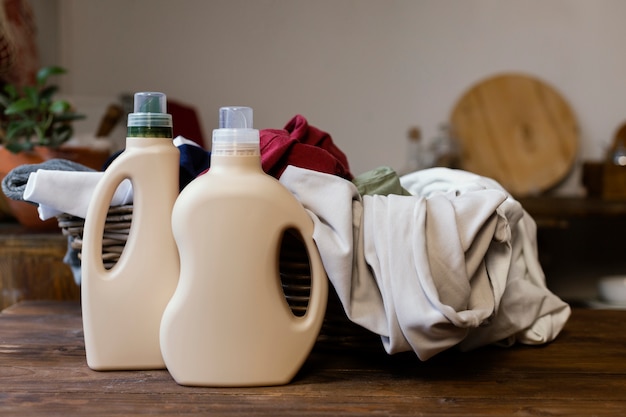
Several types of dry cleaning solutions are utilized in the industry, each with its own set of properties and advantages. The choice of solvent can depend on factors such as the type of fabric being cleaned, environmental considerations, and cleaning effectiveness. Here are some of the most common dry cleaning solvents in the market:
1. Perchloroethylene (Perc)
Perchloroethylene, often abbreviated as “perc,” has long been a staple in the dry cleaning industry. Dry cleaners use Perc because of its exceptional cleaning prowess, effectively dissolving oils, dirt, and stains from fabrics. However, there are environmental and health concerns associated with the use of perc, as it is classified as a flammable solvent. Strict regulations govern its use and disposal to minimize its impact.
2. Hydrocarbon Solvents
Hydrocarbon-based solvents are emerging as a safer and more environmentally friendly alternative to perc. They are less aggressive but still proficient at cleaning fabrics. Hydrocarbons come in various forms, such as petroleum-based or bio-based, offering dry cleaners a choice that aligns with their sustainability goals.
3. Solvent Mixtures
Some dry cleaning processes use solvent mixtures to enhance cleaning capabilities. These mixtures combine different solvents to optimize cleaning for various types of fabrics and stains. They provide flexibility and effectiveness while minimizing the use of any single solvent.
4. Glycol Ethers
Glycol ethers are occasionally used as a dry cleaning solvent. They are known for their versatility and effectiveness in removing stains and dirt from fabrics. However, their use may be limited compared to other solvents due to specific regulatory and safety considerations.
5. Alternative Solvents
While some traditional solvents like perc are effective cleaners, they come with significant environmental and health concerns. Alternative solvents offer a promising way to address these issues while still delivering excellent cleaning results. Some common alternative solvents include Silicone-Based Solvents, Liquid Carbon Dioxide (CO2), and Hydrofluoroether (HFE), among others.
How Often to Use Dry Cleaning Solvents at Home
The frequency of using dry cleaning solvents depends on several factors, including the type of garment, how often it’s worn, and the nature of stains or dirt it encounters. Here are some general guidelines:
- Occasional Wear: If you have garments that you wear infrequently, such as formal suits or evening gowns, they may not need dry cleaning after every use. Instead, consider dry cleaning them once or twice a year to keep them fresh and well-maintained.
- Regular Wear: For everyday clothing, like work attire or casual garments, the need for dry cleaning varies. Some items may require dry cleaning after every few wears, while others can go longer between cleanings. Pay attention to visible stains, odors, or loss of freshness as indicators for when it’s time for cleaning.
- Stains and Spills: If a garment sustains a noticeable stain or spill, it’s advisable to address it promptly with dry cleaning. Delaying the cleaning process can make stain removal more challenging, and the stain may set permanently.
When in doubt, consult with a professional dry cleaning business. They can assess your garment’s condition and recommend an appropriate cleaning schedule. They use modern dry cleaning techniques and know very well how to use these solvents safely.
The Dangers of Commercial Dry Cleaning Solvents

The cleaning chemicals used in dry cleaning solvents are extremely toxic and flammable. Therefore, it’s essential to be aware of the potential risks and dangers associated with their use. Here are some key considerations:
1. Health Risks: Traditional dry cleaning solvents, such as perchloroethylene (perc), are associated with health hazards. Prolonged exposure can lead to respiratory problems, skin irritation, and more severe health conditions, particularly for dry cleaning workers who handle these solvents regularly.
2. Environmental Impact: Some dry cleaning solvents are harmful to the environment. Improper disposal can contaminate soil and groundwater. Perc, for instance, is known to be a groundwater contaminant, raising environmental concerns.
3. Air Quality: Inadequate ventilation in dry cleaning establishments can result in poor indoor air quality. This poses health risks to both workers and customers due to solvent fumes.
4. Residual Solvent: Consumers should be aware of the potential for solvent residues on cleaned garments. Proper drying and aeration of garments are essential to minimize health risks associated with residual solvents.
Safety Precautions When Using Home Dry Cleaning Kits

- Read Instructions: Carefully read and follow the instructions provided with the home dry cleaning kit. Understanding the process is crucial for home use safety.
- Well-Ventilated Area: Perform the dry cleaning process in a well-ventilated space, such as an open room or with windows open, to minimize exposure to fumes.
- Gloves and Eye Protection: Wear gloves and, if recommended, eye protection when handling the cleaning solvent to prevent skin contact and eye irritation.
- Avoid Inhalation: Keep your face away from solvent fumes and avoid inhaling them. Use respiratory protection if necessary.
- No Smoking or Open Flames: Do not smoke or use open flames (candles, stoves) while using the kit, as some solvents are flammable.
- Keep Away from Children and Pets: Store the kit and cleaning materials out of reach of children and pets. Some solvents can be toxic if ingested.
- Labeling: Clearly label containers to identify the contents and any associated hazards.
- Disposal: Follow local regulations for the proper disposal of used cleaning materials and solvent containers.
Exploring the Efficacy of Dry Cleaning Solvents
The key takeaway here is awareness. By understanding the ins and outs of dry cleaning solvents, you can choose the right cleaning method for your beloved garments and keep yourself safe in the process.
So, the next time you’re faced with a stubborn stain or considering a trip to the dry cleaners, remember what you’ve learned here. It’s your fashion wisdom at work, keeping your clothes looking sharp and you feeling confident. Cheers to a cleaner, smarter wardrobe!
FAQs
Q: Can I make my own homemade dry cleaning solvent?
A: It is not recommended to make your own homemade dry cleaning solvent. Commercially manufactured solvents are specifically designed to safely and effectively clean fabrics without causing damage. Homemade solutions may not have the same cleaning power and could potentially harm your clothing.
Q: How does dry cleaning work?
A: Dry cleaning works by using a chemical solvent instead of water to clean fabrics. The solvent is typically a hydrocarbon-based substance that is used to dissolve stains and dirt from the fabric. The clothes are soaked in the solvent, agitated to loosen the dirt, and then the solvent is drained and the clothes are dried.
Q: What is the history of dry cleaning?
A: Dry cleaning has been around for thousands of years. The Egyptians used solvents such as ammonia and lye to clean their garments. The modern dry cleaning process was developed in the mid-19th century, using chlorinated solvents. Since then, the process has evolved, and various types of solvents have been used.
Q: Can I do dry cleaning at home?
A: While it is possible to do spot cleaning or use home dry cleaning kits, it is generally not recommended to do full dry cleaning at home. Professional dry cleaning machines are designed to handle larger loads and have better control over solvent usage and drying temperatures.
Q: Is dry cleaning safe for all types of fabrics?
A: Dry cleaning is generally safe for most types of fabrics, including delicate and sensitive materials. However, there are some fabrics that may be damaged or adversely affected by the dry cleaning process. It is always best to check the garment’s care label or consult with a professional cleaner for specific recommendations.
Q: How does dry cleaning solvent remove stains?
A: Dry cleaning solvent is effective for stain removal because it can dissolve and break down oil-based stains. When the fabric is soaked in the solvent, the stain molecules are loosened and dissolved into the solvent. Afterward, the solvent is drained, taking the stains with it.
Q: Can dry cleaning be done using water instead of solvent?
A: No, dry cleaning cannot be done using water alone. The term “dry” in dry cleaning refers to the absence of water. Water-based cleaning methods, such as washing machines or hand-washing, are different processes and are not considered dry cleaning.
Q: What chemical is banned in dry cleaning?
A: Perchloroethylene, commonly known as perc, is a chemical that has faced restrictions and bans in various regions due to its environmental and health concerns. Many countries and states have implemented regulations to limit or phase out the use of perc in dry cleaning processes. This move is in response to the potential harm posed by perc to both workers and the environment.
10 Easy Methods on How to Get Sticker Residue Off Clothes
Worried about how to get sticker residue off clothes that seemingly won’t budge? Forgetting to remove that sticky name tag from your brand new shirts when washing them will most likely leave a clumpy patch of sticky residue. And sometimes, they are so hard to remove when you simply pluck them with your fingers.
Don’t panic – because the only reason why it can really be frustrating to remove sticker residue from clothes is if you haven’t learned yet about the different hacks of getting stubborn sticker residue without damaging your clothes. No matter the sticker size or how sticky it is, these methods are proven to do the trick.
Effective Methods for Removing Sticker Residue from Clothes
There are some essential guidelines and pre-preparation steps to keep in mind before trying any of these ways to remove sticker residue. These tips will help ensure a smoother and more successful adhesive residue removal process, regardless of the method you choose:
- Check the care label. Always check the care label on your garment as it provides valuable information about the fabric and washing and drying instructions.
- Test in an inconspicuous area. It’s a good practice to test any adhesive removal method in an inconspicuous area first to see how the fabric reacts to the chosen method without risking visible damage.
- Gather the needed supplies. Depending on the method you select, gather the necessary supplies before starting. Common items include rubbing alcohol, white vinegar, acetone, masking tape, cotton balls, dish soap, and a butter knife. Having everything on hand will prevent interruptions during the process.
- Work in a well-ventilated area. Some adhesive removers, such as acetone and nail polish remover, can have strong odors. It’s advisable to work in a well-ventilated area or open a window to prevent inhaling fumes.
How to Remove Sticker Residue From Clothes Using 10 Easy Ways
#1: Rubbing Alcohol
If you’ve ever wondered how to get sticker residue off clothes, rubbing alcohol should be your go-to solution. This versatile household item works wonders in dissolving sticky substances. Here’s how to do it:
Method:
- Dab a cotton ball or cloth with rubbing alcohol.
- Gently rub the affected area, applying slight pressure.
- Continue until the residue is gone.
- Wash the garment as usual.
Rubbing alcohol is particularly effective for removing adhesive residue left behind by stickers and labels. Plus, it won’t damage your clothing in the process.
#2: Acetone
Acetone is a powerful solvent that can effectively remove stubborn sticker glue from clothing. However, be cautious when using it, as it can damage certain fabrics. Here’s how to proceed:
Method:
- Apply a small amount of acetone to a cotton ball.
- Gently blot the residue on your clothing.
- Continue until the residue is gone.
- Rinse the area using clean water.
- Wash the garment as usual.
Ensure you test a small, inconspicuous area of the fabric first to make sure it’s safe to use acetone.
#3: Masking Tape
If you’re worried about potentially damaging your clothing, masking tape offers a gentle way to remove sticky residue from your clothes. It’s especially handy for delicate fabrics. Here’s how to do it:
Method:
- Take a piece of masking tape and press it firmly onto the residue.
- Peel the tape away.
- Repeat this process until you’ve removed as much of the sticker residue as possible.
- Wash the garment to remove any remaining residue.
Masking tape is less likely to damage your clothes, making it a safe choice for a variety of fabrics.
#4: White Vinegar
White vinegar is another fantastic option to consider when tackling sticky tape residue on clothes. This kitchen staple not only removes the stickiness but also leaves your clothes smelling fresh. Here’s how to use it:
Method:
- Mix equal parts white vinegar and water in a bowl.
- Soak a cloth or sponge in the solution.
- Dab the affected area and let it sit for a few minutes.
- Scrub gently to remove the residue.
- Rinse the area using clean water.
- Wash your garment as usual.
White vinegar is safe for most fabrics and is an eco-friendly way to get sticker residue off clothes.
#5: Dish Soap
Dish soap is known for its ability to break down grease and sticky substances, making it a useful tool for removing sticker residue. Here’s how to use it:
Method:
- Mix a small amount of dish soap with warm water.
- Dip a cloth into the soapy solution.
- Gently rub the affected area.
- Continue until the residue is gone.
- Rinse the area thoroughly.
- Wash your garment as usual.
This method is effective and safe for most fabrics but always check for colorfastness in an inconspicuous area before proceeding.
#6: Goo Gone
Goo Gone is an excellent way to remove sticky residue from your garments. It’s easy to use and available in spray and bottle forms. Here’s how to use it:
Method:
- Apply Goo Gone to the sticky tape residue to remove it from the fabric.
- Allow it to sit for a few minutes.
- Blot the area and begin scraping the residue away using a clean cloth. You can also scrape away the loose parts of the sticker with an old credit card or a putty knife.
- To eliminate all of the sticky residues, wipe the area with a paper towel, then wash the cloth in the washing machine with laundry detergent.
#7: Washing and Drying
Sometimes, the answer to how to get sticker residue off clothes lies in your washing machine and dryer. Here’s a straightforward method:
Method:
- Place the garment in your washing machine.
- Add your regular detergent.
- Run a normal wash cycle.
- After washing, check the affected area.
- If residue remains, allow the garment to air dry.
- Once dry, gently scrape away the residue with a butter knife or your fingernail.
- Wash the garment again to remove any remaining residue.
This method is suitable for fabrics that can be machine-washed and dried. It may take a bit of patience, but it’s a simple solution.
#8: Use Butter Knife for Sturdy Residues
For those harder to remove sticker residues, a butter knife can be a handy tool. Here’s how to use it safely:
Method:
- Lay the garment on a flat surface.
- Gently scrape the sticker residue with the edge of a butter knife.
- Be careful not to damage the fabric.
- Continue until the residue is gone.
- Wash the garment as usual.
This method requires a steady hand and patience, but it can effectively remove the glue residue from your clothes.
#9: Cotton Ball and Oil
If you’re worried about damaging your clothes, a cotton ball and some oil can be a gentle way to remove sticker residue. Here’s how to do it:
Method:
- Apply a small amount of oil (vegetable or baby oil) to a cotton ball.
- Gently blot the residue on your clothing.
- Continue until the residue is gone.
- Rinse the area with clean water.
- Wash the garment as usual.
This method is especially suitable for delicate fabrics and is less likely to cause damage.
#10: Stain Removing Solvent
Sometimes, all you need is a specialized stain remover to get rid of sticker residue. Here’s how to use it effectively:
Method:
- Apply a stain remover directly to the affected area.
- Follow the instructions on the product label for the best results.
- Wash the garment as directed.
Stain removers are designed to target and remove various types of stains, including sticker residue. They can be a convenient solution when other methods to remove the sticky adhesive fail.
How to Get Rid of Sticker Residue on Dry-Clean Only Clothing
Dealing with sticker residue on clothing can be a delicate task, and it becomes even more challenging when your garment is labeled as “dry clean only.” These items often have fabrics that require special care. Here’s how to safely remove sticker residue from dry clean-only clothes:
- Apply the Solvent. Using a small sponge or cotton swab, apply the dry cleaning solvent by blotting—not rubbing.
- Scrape Gently: If the residue doesn’t come off with vinegar alone, use a butter knife or plastic card to gently scrape it off. Work carefully to avoid damaging the fabric.
For dry-clean-only clothing, it’s best to take the garment to a professional dry cleaner. Inform them about the sticker residue, so they can treat it properly without causing damage. Attempting to remove it at home may risk harming the fabric.
Get Sticker Residue Off Clothes Effortlessly!
The next time your newly bought clothes or favorite shirt got almost ruined by sticker residue, try any of these methods we’ve enlisted in this post. Most are common household staples you probably already have in your kitchen, and all are bound to be more effective than scratching them alone. We hope you found this article helpful and share it with your friends and family.
FAQs
Q: What is the safest way to remove sticker residue?
A: The safest way to remove sticker residue is by using a gentle, non-abrasive method. Start by applying a small amount of a mild solvent, such as rubbing alcohol or acetone, to a clean cloth or cotton ball. Gently rub the residue in a circular motion until it begins to lift. Avoid using sharp objects or abrasive materials, as they can damage the surface. Once the residue is gone, clean the area with soap and water to remove any remaining solvent.
Q: Can I use toothpaste to remove sticker residue on fabrics?
A: Toothpaste is not recommended for removing sticker residue on fabrics. Toothpaste may contain abrasive compounds that can harm the fabric’s fibers or leave behind stains. Instead, consider using a fabric-safe adhesive remover or rubbing alcohol to gently lift the residue from the fabric.
Q: What should I do if sticker residue is on a sensitive or colored fabric?
A: When dealing with sensitive or colored fabrics, use extra caution. Test any cleaning method on an inconspicuous area first. If the fabric is delicate or the color might bleed, consult a professional cleaner for guidance on safe removal.